


 11
11
A New Way to Trade the Biggest US Stocks
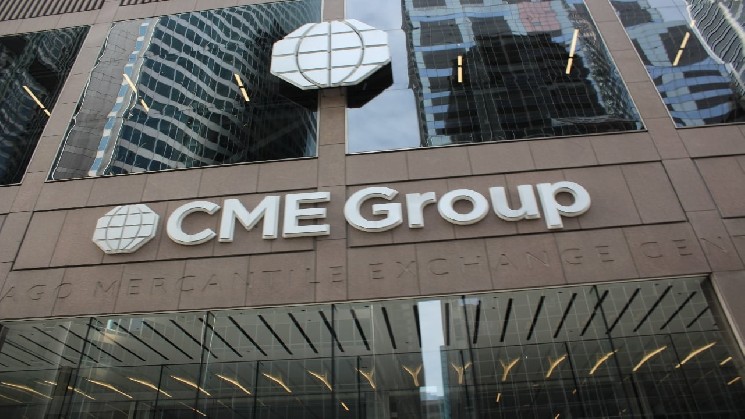
The launch covers 77 contracts in total, i.e. 55 standard-sized futures, each representing 100 shares of the underlying stock, and 22 micro-sized contracts covering 10 shares apiece. The lineup spans mega-cap technology names such as Alphabet, Meta and Tesla alongside the recently public SpaceX, plus household names including Micron, Pfizer and Walmart, according to CME Group’s own announcement.
All contracts are cash-settled against the underlying stock’s closing price and follow a quarterly expiration structure, similar to CME’s existing equity index futures. Tim McCourt, CME Group’s global head of equities, FX and alternative products, said the launch is a response to trader demand, noting:
“Clients want to manage equity price risk with more precision and with the capital efficiencies of a centralized marketplace.”
He further added that the product is designed to widen CME’s user base beyond its traditional institutional clientele, telling reporters the contracts have “the ability to bring in a lot of new traders to our ecosystem.” CME said it is working with more than 35 retail intermediary firms to distribute access to the contracts alongside its usual institutional desks.
Built for Around-the-Clock Access
The single-stock futures trade for roughly 23 hours a day, five days a week, on CME’s Globex platform, far longer than the 9:30 a.m. to 4 p.m. Eastern window that governs regular US stock trading. That structure lets traders react to earnings reports, macro data or geopolitical headlines the moment they break, rather than waiting for the opening bell.
However, such flexibility carries its own risk, with Mat Cashman, principal for investor education at the Options Clearing Corp, cautioning that liquidity can thin out overnight. Cashman said trading outside of normal hours, “including during the volatile minutes after companies report earnings, can be choppy,” a warning that echoes concerns already raised about thin order books in CME’s round-the-clock crypto markets.
Unlike commission-free equity and options apps that rely on payment for order flow, futures traders typically pay a commission on every single-stock contract they trade.
Single-stock futures are not new to the US, but they have a rocky history. OneChicago, an exchange jointly owned by CME Group, Cboe Global Markets and Interactive Brokers, traded security futures for nearly two decades before it shut down in September 2020, citing thin demand.
The Bridge to CME’s Crypto Derivatives Business
The new contracts notably exclude any crypto tokens or digital assets, but they run on infrastructure CME has refined for years through its crypto business, i.e. cash-settled, margin-based products that let traders take leveraged, custody-free exposure to a fast-moving asset. CME launched bitcoin futures back in 2017 and has since built out the largest regulated derivatives market for digital assets in the country.
That crypto franchise has kept expanding in 2026 with the CME Group rolling out 24/7 trading for its bitcoin and ether futures and options on May 29, clearing roughly $50 million across more than 7,200 contracts in the debut weekend.
Since then, the firm has added crypto index futures tracking bitcoin, solana and XRP, and had even slated a bitcoin volatility futures rollout. That said, CME’s bitcoin derivatives book has cooled from its highs, with open interest in CME bitcoin futures falling to $8.41 billion on April 11, a 14-month low (as annualized basis-trade returns compressed from the 15%-20% range down to about 5% and daily volume slipped below $3 billion).

 beincrypto.com
 cryptoslate.com
 cryptopolitan.com
