


 4
4
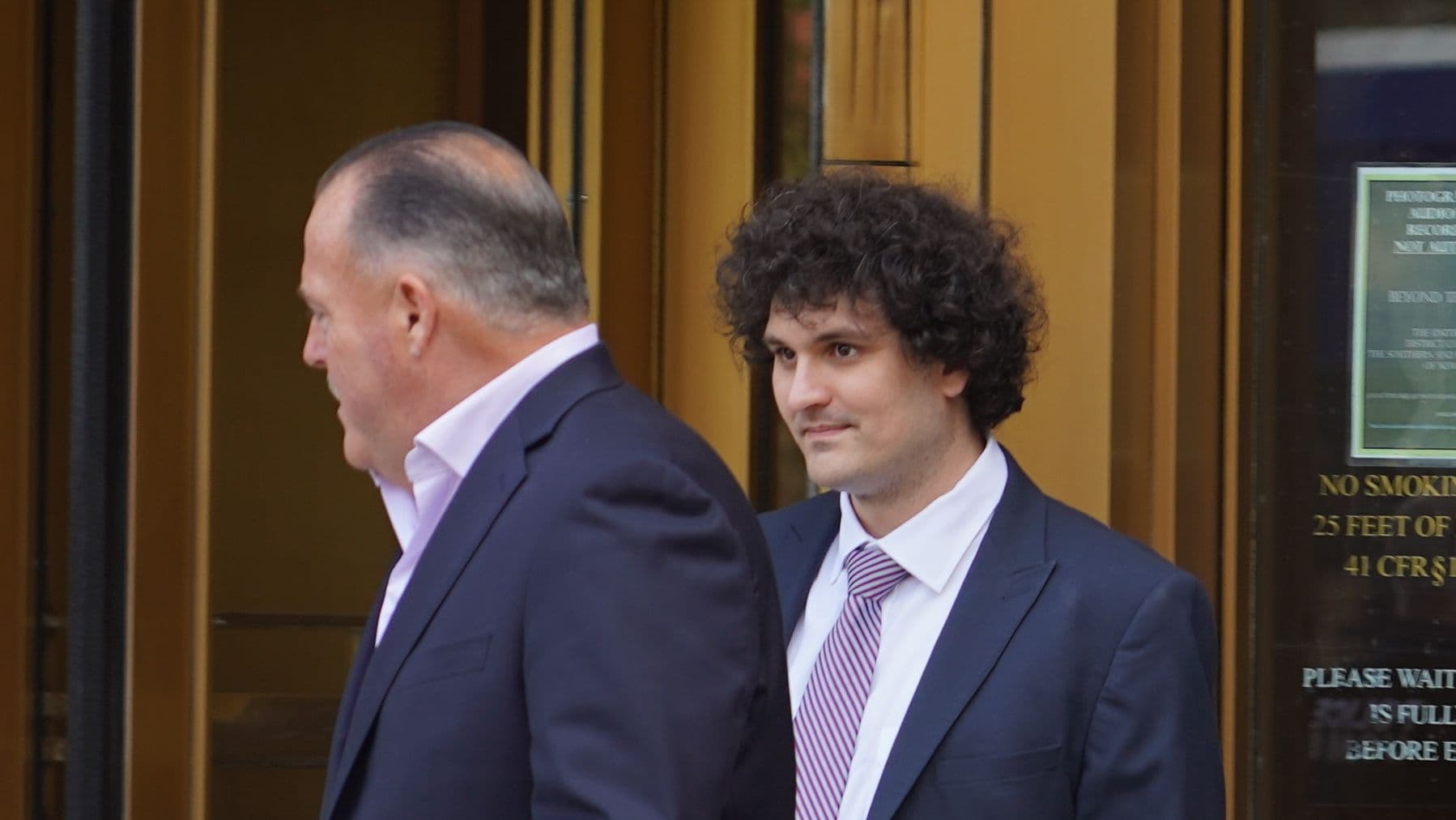
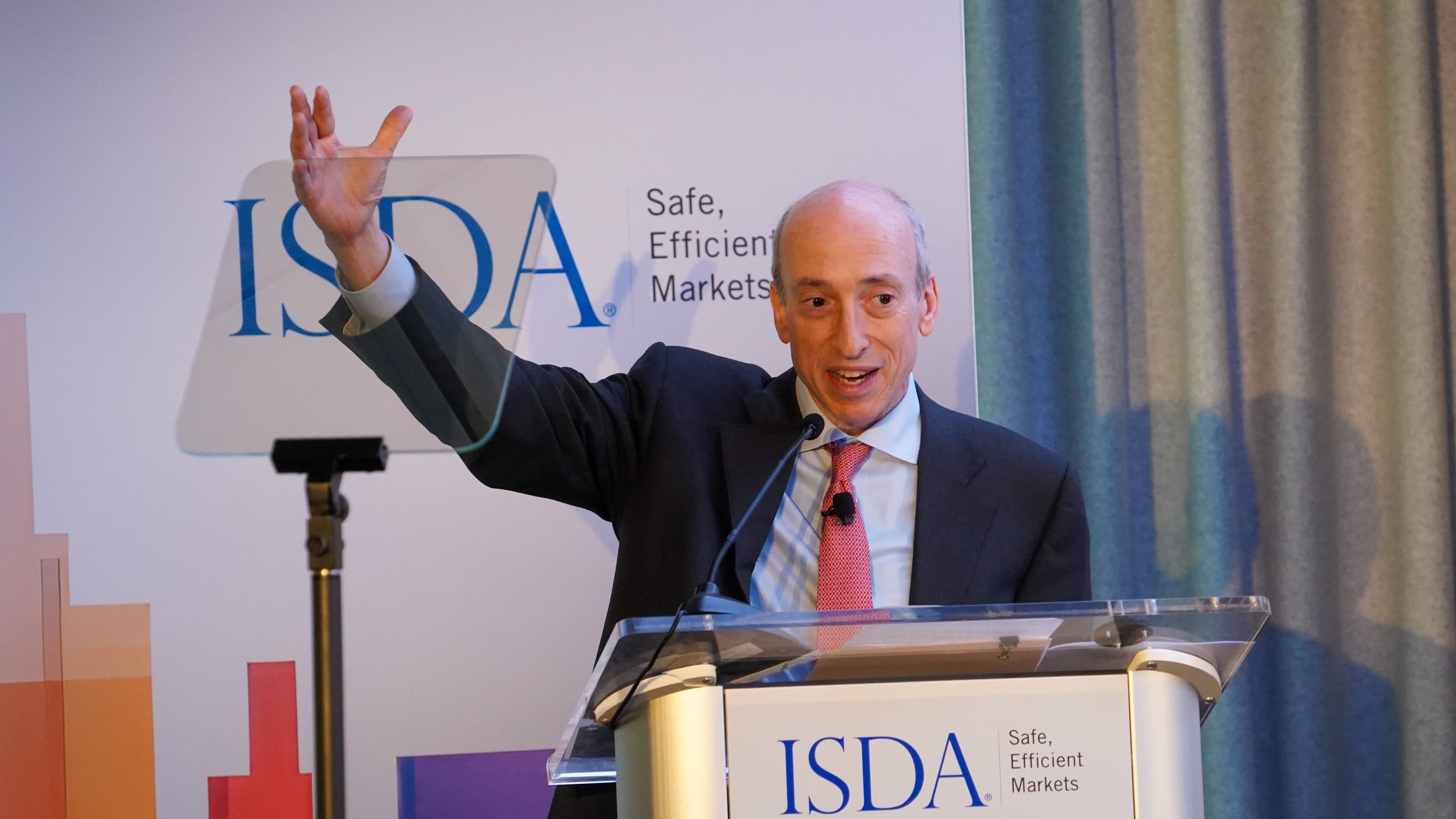
Technically speaking, summer hasn't started yet and won't for another week. But it's over 90°F in New York, the House Ways and Means Committee held a hearing to work through crypto tax legislation, the Commodity Futures Trading Commission put out a proposal for regulating prediction markets, former CFTC and Securities and Exchange Commission Chair Gary Gensler filed an amicus brief in one of the many, many lawsuits around prediction markets and Sam Bankman-Fried's appeal was rejected by an appellate court panel. Welcome to the summer of crypto regulations.
You’re reading State of Crypto, a CoinDesk newsletter looking at the intersection of cryptocurrency and government. Click here to sign up for future editions.
Busy week
The narrative
Last Tuesday's House Ways and Means Committee hearing on digital asset tax bills was pretty straightforward. The members of the committee asked largely substantive questions, seemingly aimed at better understanding both how crypto taxes might work as well as what holes exist in current tax policy. There was no sniping at each other, no real pot shots at President Donald Trump and his family and no major arguments. At most, we had a few lawmakers question whether crypto is really an urgent issue amid current economic conditions.
In agency news, the CFTC published a proposal for better regulating prediction markets, giving the general public some time to weigh in, even as the various legal cases continue.
Why it matters
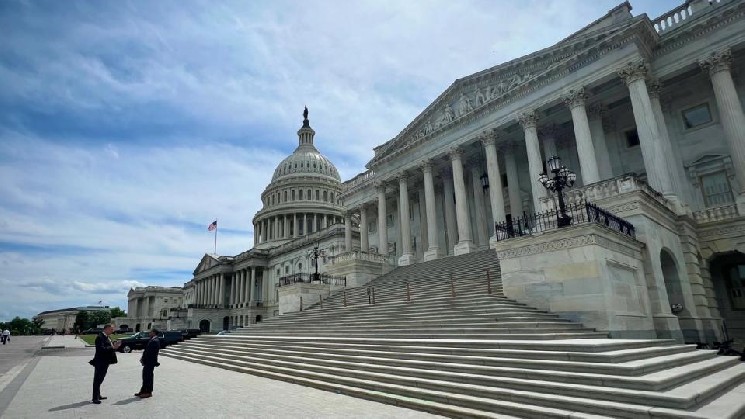
Crypto taxes are the next big issue after the market structure bill happens (if it happens, anyway). And while the hearing wasn't exactly spicy, it did suggest that there is a lot of work to be done before crypto tax legislation can proceed through a markup and to the House floor.
The CFTC's proposal to more closely regulate prediction markets is a first step in this process, and the public comments will be revealing.
Breaking it down
Tuesday's hearing from the Ways and Means Committee saw lawmakers ask questions about the various discussion draft bills presented for the hearing, addressing the different aspects of the crypto tax debate. It was a remarkably conciliatory hearing, when contrasted with some of the other hearings the crypto industry has watched.

-
1Aerodrome is turning liquidity into a prediction market with its biggest upgrade yet3 hours ago
-
2SEC's big swing to clear tokenization path isn't likely to get resilience of full rule4 hours ago
-
3Wall Street and crypto are crashing into each other as tokenized treasury markets hit $14.6 billion5 hours ago
-
4Crypto’s next billion-dollar hacker may move at superhuman speedJun 13, 2026
-
5Here's what SpaceX's IPO means for its $1.3 billion bitcoin reserveJun 13, 2026
-
6Stablecoins Were Meant to Disrupt Finance. Instead, They Became Idle Cash.Jun 13, 2026
-
7Bitcoin rises above $64,000 after Pakistan prime minister says Iran peace deal is nearJun 13, 2026
-
8Wall Street is moving past crypto pilots and deeper into Ethereum, says Etherealize founderJun 13, 2026
-
9Tokenization mirrors the $20 trillion ETF boom as blockchain and AI converge, Ondo exec saysJun 13, 2026
-
10Perpetual futures could become crypto's next ETF momentJun 13, 2026

The Incentive Dynamic Engine: A New Era for io.net Tokenomics
The Incentive Dynamic Engine: A New Era for io.net Tokenomics
io.net's IDE ties token burns to real GPU demand, replacing fixed emissions with a demand-linked model - live as of 11 June 2026.
io.net's IDE ties token burns to real GPU demand, replacing fixed emissions with a demand-linked model - live as of 11 June 2026.
Why it matters:
io.net's IDE ties token burns to real GPU demand, replacing fixed emissions with a demand-linked model - live as of 11 June 2026.

Kalshi’s crypto perpetuals spark debate over whether they’re futures or swaps
FTX's Sam Bankman-Fried loses appeal of criminal conviction on fraud, conspiracy charges

 en.bitcoinsistemi.com

 coingape.com
 1
1