


 6
6
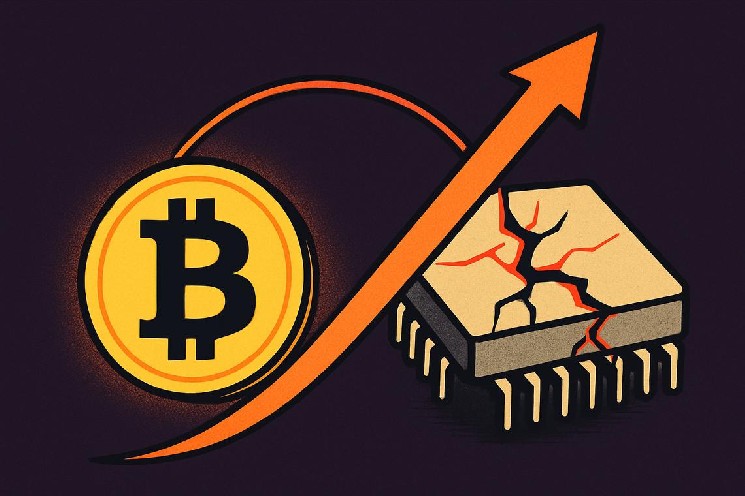
Bitcoin held steady near $64,250 on Wednesday, inching up on the day and adding roughly 1% for the week, even as a sharp selloff tore through global semiconductor stocks. The split screen was hard to miss: while digital assets mostly drifted higher, the cryptocurrency and semiconductor market told two very different stories on the same trading day, one calm, one chaotic.
Key takeaways
- Bitcoin traded near $64,250, up about 1% for the week, while Solana and Ether led gains among major cryptocurrencies.
- Samsung Electronics and SK Hynix each fell more than 7% in Seoul, dragging South Korea’s Kospi index down over 6%.
- The Philadelphia Semiconductor Index posted a 5% loss on Tuesday, its worst session since late July.
- U.S. 30-year Treasury yields climbed to their highest level since 2007, and 10-year yields neared early-2025 highs.
- Federal Reserve July meeting minutes were due at 2 p.m. ET, with most economists expecting rates to hold at 3.50%-3.75% in September.
Bitcoin, Solana and Ether Lead a Mixed Week for Crypto Markets
Most major tokens edged higher on Wednesday, brushing off the turmoil hitting chip stocks thousands of miles away. Bitcoin hovered around $64,250, up marginally on the day and roughly 1% across the week, according to CoinDesk. That steadiness stood in sharp contrast to the volatility rattling equity markets tied to AI hardware.
Solana and Ether’s Gains Outpace Bitcoin
Solana was the strongest performer among the majors, climbing 2% to near $77 and nearly 1% for the week. Ether wasn’t far behind, adding 1% to trade just above $1,900 — enough to put it in the lead for weekly gains at 1.5%, ahead of both Bitcoin and Solana. XRP also recovered almost 1% to trade just under $1, though it remains down about 2% over the past seven days. Smaller gains showed up elsewhere too: Tron rose half a percent to 33 cents, and Dogecoin ticked up the same amount to 7 cents.
$BNB and Other Majors Show a Split Picture
Not every token joined the upswing. $BNB eased slightly to just above $600 and is down 2% on the week, making it one of the weaker performers among the majors. Hyperliquid’s HYPE dropped more than 1% on the day to just over $58, yet it still holds the best seven-day performance of any major token, up 7% for the week despite the pullback.
Korean Semiconductor Stocks Suffer a Sharp Selloff
The real turbulence this week wasn’t in crypto — it was in the chip sector. Samsung Electronics and SK Hynix both slid more than 7% in Seoul trading, according to CNBC, marking one of the steepest single-day drops for South Korea’s two semiconductor giants in recent weeks. CNBC reported SK Hynix fell as much as 8.66% and Samsung slipped 7.08% during the session, with the Kospi briefly plunging nearly 6% at the open before ending the day down more than 5.5%.
Samsung and SK Hynix Drag the Kospi Down
The scale of the decline pulled South Korea’s benchmark Kospi index down over 6%, while the MSCI Asia Pacific index fell 2%. Given how heavily the Kospi leans on its two chip heavyweights, the selloff amounted to a broader referendum on sentiment toward memory-chip demand tied to artificial intelligence infrastructure — a sector that had, just days earlier, been fueling a rally rather than a rout.
The Selloff Ripples Through Asian and U.S. Chip Indexes
The damage wasn’t confined to Korea. A broader The Philadelphia Semiconductor Index experienced its most severe trading day since late July with a 5% decline on Tuesday, prompting the Asian semiconductor gauge to fall by more than 3%, according to CoinDesk. Futures pointed to further losses spreading into Europe and the United States as trading opened. CNBC’s live markets coverage also noted steep drops among Japanese chip names, with SoftBank Group down more than 5%, Tokyo Electron off nearly 4%, and memory chipmaker Kioxia sliding over 9% in the same session — evidence that the pressure on the cryptocurrency and semiconductor market narrative this week was really a story about chips, not coins.
Bond Yields and the Federal Reserve Loom Over Both Markets
Behind the semiconductor slump sits a bond market that’s been sending its own warning signs. A global selloff in government debt pushed 30-year U.S. Treasury yields to their highest level since 2007, while 10-year yields climbed close to levels last seen in early 2025. CNBC separately reported that the 30-year yield hit a fresh 19-year high, with Japan’s 10-year bond yield reaching its highest point in three decades, German 30-year bund yields at their highest since 2011, and French 30-year bond rates climbing to levels not seen since 2008 — a genuinely global repricing of long-term debt, not an isolated U.S. move.
Rising yields matter well beyond bond desks. They raise borrowing costs for companies pouring money into AI infrastructure — precisely the kind of spending that has propped up chipmakers like Samsung and SK Hynix. When financing gets more expensive, investors start questioning whether that spending pace can hold, and semiconductor stocks are often the first to feel it. Treasury markets steadied somewhat by Wednesday, with the 10-year yield easing about a basis point to 4.69%, while gold rose as much as 0.6% above $4,360 an ounce after falling nearly 2% the previous day.
What the Fed’s July Minutes Could Reveal
Minutes from the Federal Reserve‘s July meeting were scheduled for release at 2 p.m. ET, with markets watching closely for detail on internal disagreement. CNBC reported that three officials dissented at the July meeting in favor of hiking rates — an unusually sharp split that traders will be parsing for clues about the central bank’s next move. Fed Chairman Kevin Warsh is set to speak at the Jackson Hole symposium next week, adding another catalyst investors are watching.
A Reuters survey found that 94 of 104 economists polled expect the Fed to hold rates steady at 3.50% to 3.75% in September, with markets pricing roughly a 68% chance of no change. That expectation of stability offers little immediate relief for chip stocks already grappling with higher long-term borrowing costs, even if short-term rates stay put.
What’s notable is how muted the broader stock market reaction has been despite yields hitting multi-decade highs across several countries. Adam Parker, founder and CEO of Trivariate Research, told CNBC’s “Closing Bell” that he believes “the economy is strong enough” and that corporate earnings and cash flows are “strong enough that they’ll power through any kind of scare that happens around this.” Whether that confidence holds once the Fed’s minutes are digested — and once Warsh speaks at Jackson Hole — could determine whether this week’s split between calm crypto trading and a battered chip sector narrows or widens further.
FAQ
Which cryptocurrencies showed gains in the recent week?
Bitcoin, Solana and Ether all posted gains, with Ether leading weekly performance at 1.5%, Solana up nearly 1%, and Bitcoin up about 1% for the week.
How did South Korean semiconductor stocks perform recently?
Samsung Electronics and SK Hynix both fell more than 7%, contributing to a drop of over 6% in South Korea’s Kospi index.
What U.S. bond yield levels have been reached recently?
The 30-year U.S. Treasury yield reached its highest level since 2007, and the 10-year yield approached levels last seen in early 2025.
What are the expectations for Federal Reserve interest rates in September?
Markets and most surveyed economists expect the Federal Reserve to keep rates steady between 3.50% and 3.75% in September, according to a Reuters survey.
Article produced with the assistance of artificial intelligence and reviewed by the editorial team.

 coindesk.com
 ambcrypto.com

 coinpedia.org
 bitcoinworld.co.in