


 4
4
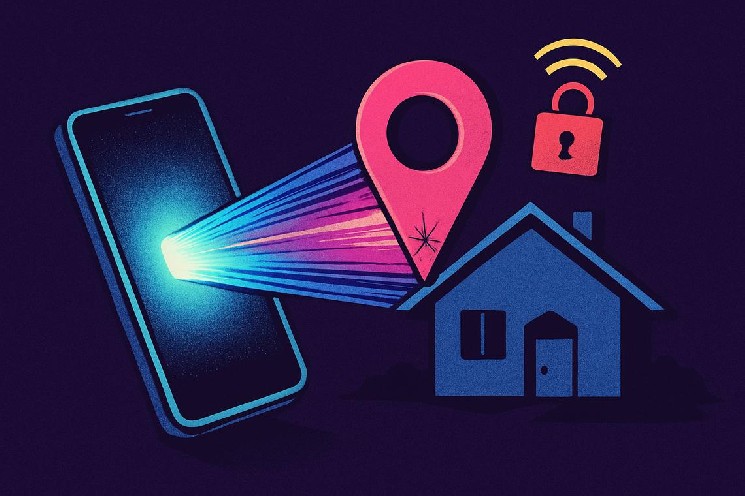
A quiet corner of the Somme became the unlikely scene of a crypto millionaire data leak gone wrong, after a French couple who had simply bought a house found themselves face-to-face with intruders who clearly had the wrong address. According to local reporting relayed by The Block, the pair were hit with three separate home invasion attempts in under a month, all because the previous owner’s tax records and home address had surfaced on the dark web.
Key takeaways
- A French couple in the Somme bought a home once owned by a crypto millionaire, unaware it would turn them into a target.
- The previous owner’s tax details and address leaked onto the dark web, apparently pointing attackers toward the wrong front door.
- Attackers attempted three home invasions in under a month, mistaking the new owners for the departed crypto millionaire.
- An Amiens court sentenced two men for their role in the third attempted break-in.
- The case echoes a wider trend: Chainalysis says France has become a hotspot for violent “wrench attacks” on crypto holders in 2026.
Mistaken Home Invasions After a Crypto Millionaire Moved Out
The trouble started the moment a couple in the Somme closed on a property that had once belonged to a crypto millionaire, unknowingly inheriting an address criminals still considered valuable. What should have been an ordinary rural home purchase instead put them in the path of attackers chasing money that no longer lived there.
New Owners Targeted After Buying the Former Crypto Millionaire’s House
The new owners had no connection to cryptocurrency or the wealth their predecessor once held. Their only link to the case was the deed itself. Once the previous resident’s personal information started circulating in criminal circles, the house — not the person — became the fixed point attackers kept returning to.
Repeated Attacks Mistake New Owners’ Home for Millionaire’s
Over the course of less than a month, the property was targeted three separate times. Each attempted break-in followed the same flawed premise: that the crypto millionaire who used to own the house was still living there with assets worth stealing. The repeated nature of the attacks suggests the attackers were working from outdated but specific information rather than acting on a whim.
A Dark Web Data Leak Triggered the Attacks
The root cause traces back to leaked information that never should have left government or corporate systems in the first place. The previous owner’s tax details and home address ended up circulating on the dark web, giving criminals exactly the kind of dark web leaked information needed to plan a physical attack on the wrong household.
Leaked Information Enables Criminal Targeting
Once an address is tied to a name and a presumed fortune, geography becomes destiny — even after the original owner has moved on. The Somme case shows how stale but accurate leaked data can still generate real-world danger years after the original crypto millionaire data leak occurred, simply because nobody updated the criminals’ target list.
This particular leak’s exact origin hasn’t been detailed, but it fits a documented pattern in France. Blockchain analytics firm Chainalysis has pointed to a broader data compromise as the likeliest driver behind a wave of violent crypto-related crime nationwide, tracing back to a 2024 case in which a French tax official is alleged to have taken and commercialized confidential records concerning wealthy cryptocurrency investors, encompassing personal identifiers and residential locations, phone numbers and tax records. A separate breach disclosed by crypto tax-reporting firm Waltio in January 2026 exposed roughly 50,000 users, though Waltio has said that leak did not include postal addresses, phone numbers or wallet keys.
Legal Consequences and France’s Wider Wrench-Attack Crisis
The legal system has already caught up with part of the Somme case: an Amiens court sentenced two men for their involvement in the third attempted break-in at the couple’s home. It’s a rare instance where the justice system moved quickly enough to attach consequences to one link in a chain of attacks driven by leaked personal data.
Two Men Sentenced by Amiens Court
The sentencing addressed only the final of the three attempted invasions, underscoring how difficult it can be for authorities to fully dismantle networks built around bought and sold personal information rather than a single criminal actor.
France’s Wrench-Attack Surge
The Somme case is not an isolated oddity — it’s a symptom of a much larger problem. Chainalysis reported that violent criminals stole more than $30 million in cryptocurrency worldwide through the first half of 2026, putting the year on pace to challenge 2025’s full-year record of $58 million. Counting attempted transfers that were blocked, frozen or later recovered, the total demanded climbed to roughly $107 million so far in 2026, according to the firm.
France stands out disproportionately in that data. Chainalysis logged just a handful of crypto-related violent incidents before 2025, when the number jumped to 19; by mid-2026 it had already recorded 30 publicly known French cases. In late June, French Interior Minister Laurent Nunez reported that law enforcement agencies had recorded over 70 incidents of violence connected to the crypto sector, while separate figures cited by FinanceFeeds put the six-month tally at 77 cases involving unlawful detention, kidnapping or extortion attempts, compared with 45 for all of 2025.
Home invasions specifically climbed to 37% of France’s 2026 incidents, up from 14% in 2025, and relatives or acquaintances of crypto holders were targeted in more than 40% of French cases — far above the global average. French prosecutors have responded with roughly 200 arrests, 88 indictments and 75 suspects held in pretrial detention by mid-year, part of a broader crackdown treating the wave as organized crime rather than isolated street robbery.
What makes the Somme case notable within that bigger picture is that it didn’t even hit its intended target. The attackers went after an address, not a person, and the person who mattered had already moved on. That gap between digital records and physical reality is exactly what security researchers warn about when personal data tied to crypto wealth ends up for sale: the risk doesn’t disappear when the original owner does — it simply waits for whoever moves in next.
FAQ
Why were the new owners targeted instead of the crypto millionaire?
Attackers mistook the new owners’ house for the crypto millionaire’s because the previous owner’s tax details and address were leaked onto the dark web, leaving outdated but accurate location data in criminal hands.
What legal actions were taken against the attackers?
Two men were sentenced by an Amiens court for their involvement in the third attempted break-in at the property.
How did the attackers obtain the information to target the house?
The previous owner’s tax details and home address leaked onto the dark web, giving attackers the information needed to identify and repeatedly target the property.
What does this case illustrate about data privacy for crypto millionaires?
It shows that leaked personal data can create real-world risks well beyond the original victim, including mistaken home invasions against people with no connection to cryptocurrency, underscoring the stakes of personal data privacy risks tied to crypto wealth.
Article produced with the assistance of artificial intelligence and reviewed by the editorial team.

 protos.com
 u.today
 bitcoinworld.co.in

 crypto.news + 1 more