
 cryptopolitan.com
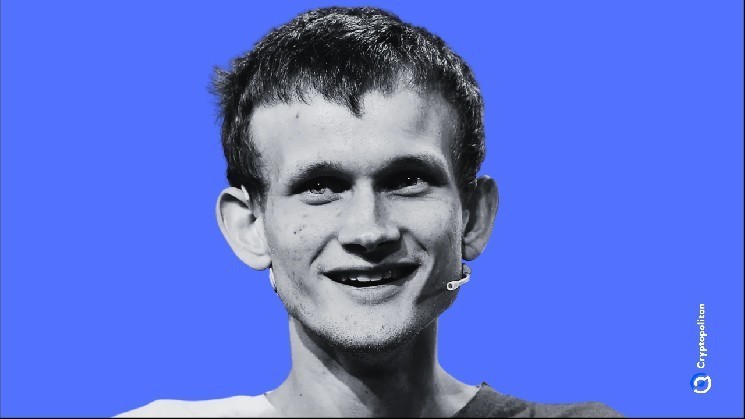
Ethereum co-founder Vitalik Buterin believes the backlash towards the European Union is “getting unhinged,” and is asking Tesla and xAI CEO Elon Musk to help make social platform X a “death star laser” for hate speech.
Buterin has stepped into the debate over Europe’s approach to digital regulation, after US government officials and opinion leaders kept attacking the EU for imposing a €120 million enforcement action against social platform X under the bloc’s Digital Services Act, Cryptopolitan reported.
The Russian programmer wrote on X that some of the criticisms he had seen in recent days from commentators he regarded as “interesting and sophisticated” were overstretched.
“I get that EU has problems – GDPR clickthroughs are dumb, Chat Control is awful, they need to be less bureaucratic and supportive toward entrepreneurs, its kindness toward Ukraine often doesn’t extend well to Gaza or Sudan or other places, but the apocalyptic attitude about the issues, evoking imagery of barbarians pillaging Rome seems really over the top,” Buterin denoted.
Buterin urges Musk to steer platform away from hate campaigns
The Ethereum Foundation founder expanded on his concerns in a follow-up post, warning that anti-European sentiment felt more orchestrated than organic.
“I don’t believe the line that ‘the target is not Europe, it’s the EU’: I’ve seen many instances of London specifically being targeted in the hate session, so no, much of it is an attack on Europe. It just does not match my experience from spending an average of two months every year there for the last decade.”
He then addressed Musk directly, cautioning that the platform could damage global support for free expression, and asking the CEO to “consider transforming X into a global totem pole for Free Speech.”
“This is actually harmful for the cause of free speech. I’m seriously worried that huge backlashes against values I hold dear are coming in a few years’ time,” he continued.
yeah basically
A lot of powerful people really like the vision that the world should just be 5-20 adults who have their spheres and sometimes get together in a room to hash out any differences, and everyone else can be shut out because they are annoying and inconvenient.
— vitalik.eth (@VitalikButerin) December 9, 2025
An X user posed an inquiry to him, insinuating the Ether developer was silently advocating for censorship on the social platform, asking: “Are you suggesting that Twitter should censor (either direct or shadow) speech that you dislike? If not, what action are you hinting Elon should take exactly? ”
Buterin dismissed the claims, propounding that there were algorithmic adjustments in place already changing user experience on the platform, and Musk was extending his influence through those tools.
“He’s clearly actively tweaking algorithms to boost some things and deboost other things based on pretty arbitrary criteria. As long as that power lever exists, I’d prefer it be used (without increasing its scope) to boost niceness instead of boosting ragebait,” he explained.
EU insists fines are for transparency, not to deter free speech
In a statement published by the European Commission last Friday, the EU insisted the fine against X is a routine legal requirement and has nothing to do with censorship or what speech can appear on the platform.
According to officials familiar with the investigation, there are three charges facing the company. One concerns the handling of verification and the platform’s blue checkmark system, which was opened to paid subscribers after Musk took over.
The other two charges cover transparency, including access to data needed for independent research, and another concerning the platform’s failure to submit clear advertising records.
In findings released as part of the case, the Commission said X misled users by monetizing verification in a way that made it difficult to distinguish legitimate accounts from impersonators.
It also alleged the company blocked outside researchers from studying harmful content and misinformation by restricting access to public data, charging high fees for limited API use, and declining to host a searchable, dependable database of political ads.
Telegram founder and French “enemy” Pavel Durov accused the EU of using regulation to coerce platforms into quiet censorship. Durov said the bloc imposed “impossible rules” so it could punish companies that refused to remove certain content without public scrutiny.