


 11
11
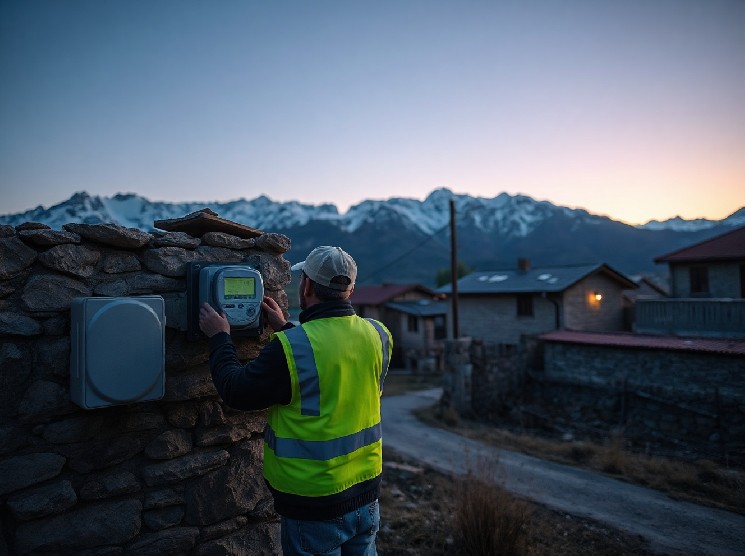
Georgia is intensifying its fight against unauthorized cryptocurrency mining by rolling out new electricity meters across villages in the northwestern Mestia region, according to local reports. The initiative, backed by law enforcement, aims to curb energy theft that has placed an outsized burden on the national power grid.
Massive energy consumption gap in Mestia
Data from 2025 reveals that Mestia consumed 133 million kilowatt-hours (kWh) of electricity, a figure more than 13 times higher than that of other municipalities of comparable size. Officials attribute this extreme discrepancy to widespread, unregulated cryptocurrency mining operations that draw significant power without proper metering or payment.
The Georgian government estimates that illegal mining activities cost the national power grid between $7.5 million and $9.4 million annually. These losses represent a direct drain on state resources and have prompted authorities to adopt a more aggressive enforcement posture.
How the new meters will work
The new electricity meters being installed are designed to provide real-time consumption data, making it far more difficult for miners to bypass billing systems. Law enforcement agencies are coordinating with utility companies to identify properties where consumption spikes indicate mining activity. Once flagged, these locations can be inspected and, if necessary, disconnected from the grid.
This approach mirrors strategies used in other countries facing similar challenges, such as Kazakhstan and parts of Eastern Europe, where energy subsidies and low residential rates have historically attracted crypto miners.
Broader implications for Georgia’s energy sector
Georgia has long been a destination for cryptocurrency miners due to its relatively low electricity prices and abundant hydroelectric power. However, the surge in unauthorized mining has strained infrastructure, particularly in rural areas where grids were not designed to handle industrial-scale loads. The Mestia crackdown signals a shift in government policy from tolerance to active enforcement, potentially affecting both small-scale hobbyists and larger commercial operations.
For residents, the new meters could lead to more stable electricity supply and fairer billing, but they also raise questions about privacy and the speed of enforcement. The government has not yet disclosed penalties for those found to be mining illegally, though disconnection from the grid appears to be the immediate consequence.
Conclusion
Georgia’s installation of advanced electricity meters in Mestia represents a targeted response to a costly and growing problem. By combining technological upgrades with law enforcement support, the government aims to recover millions in lost revenue and protect its energy infrastructure. The success of this initiative could serve as a model for other regions grappling with the hidden energy costs of cryptocurrency mining.
FAQs
Q1: Why is Mestia’s electricity consumption so high compared to similar towns?
A1: Officials attribute the 13-fold higher usage to widespread illegal cryptocurrency mining operations that draw large amounts of power without being properly metered or billed.
Q2: How much money does Georgia lose to illegal crypto mining each year?
A2: The government estimates annual losses between $7.5 million and $9.4 million, representing unpaid electricity consumption by unauthorized miners.
Q3: What will happen to miners caught using the new metering system?
A3: Properties flagged for abnormal consumption spikes will be inspected by law enforcement and may be disconnected from the power grid. Specific penalties have not yet been detailed by the government.

 cryptobriefing.com

 coindesk.com