

 7
7
Bitcoin mining is an energy-hungry business even when you’re paying for the power. When you’re not, it tends to attract attention from people with badges.
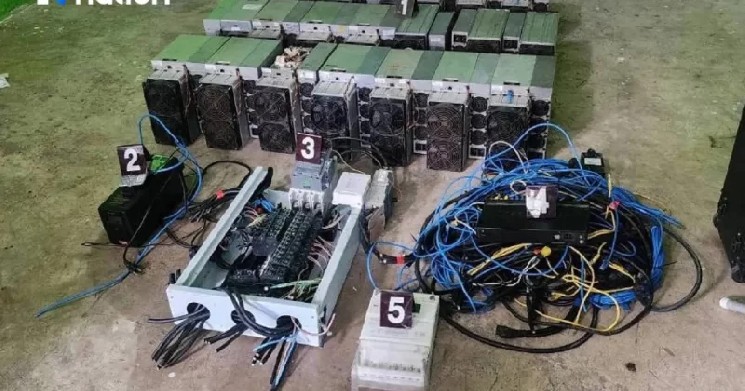
Thai authorities dismantled a large-scale illegal Bitcoin mining operation in Nan Province, where operators allegedly stole more than $80,000 worth of electricity to keep their rigs humming. The bust is part of an escalating nationwide effort to shut down mining setups that bypass the grid and pocket the savings.
A pattern of power theft across multiple provinces
In Pathum Thani, authorities seized 63 mining rigs linked to an estimated financial loss of over 11 million baht, roughly $327,000, in stolen electricity.
Chon Buri saw an even larger haul: 996 mining rigs confiscated from an operation allegedly using tampered electricity meters to dodge charges.
The biggest seizure came from a Department of Special Investigation (DSI) operation that netted 3,642 mining rigs along with around 19 million baht in cash and bank deposits.
How the operations work, and why they’re dangerous
Operators set up mining rigs in remote or inconspicuous locations, modify their electricity meters to underreport consumption, and let the machines run around the clock. Investigators have found that many of these setups are operated remotely, and the physical locations are often chosen specifically because they’re far from prying eyes.
Thai authorities have repeatedly emphasized that these illegal mining operations pose serious public safety risks. The excessive energy draw through tampered connections creates fire hazards. Wiring that wasn’t designed to handle industrial-scale loads gets pushed well past its limits, and there’s no inspection or oversight to catch problems before they become emergencies.
The strain on the power grid is another concern. When hundreds or thousands of rigs are pulling electricity that doesn’t show up on any meter, the load imbalance can degrade service quality for legitimate customers and stress infrastructure in ways that utility companies can’t anticipate or plan for.
What this means for the mining landscape
For Thailand’s utility sector, the financial impact has been substantial. Across the documented cases alone, the combined electricity theft runs well into the hundreds of thousands of dollars.
The sophistication of the seized operations, from modified meters to remote management systems to layered financial structures, suggests that future enforcement will need to be equally sophisticated. Thai authorities appear to understand this, targeting not just the physical mining hardware but also the financial and operational infrastructure behind it.

 news.bitcoin.com


 bitcoinmagazine.com
 coindesk.com