


 4
4
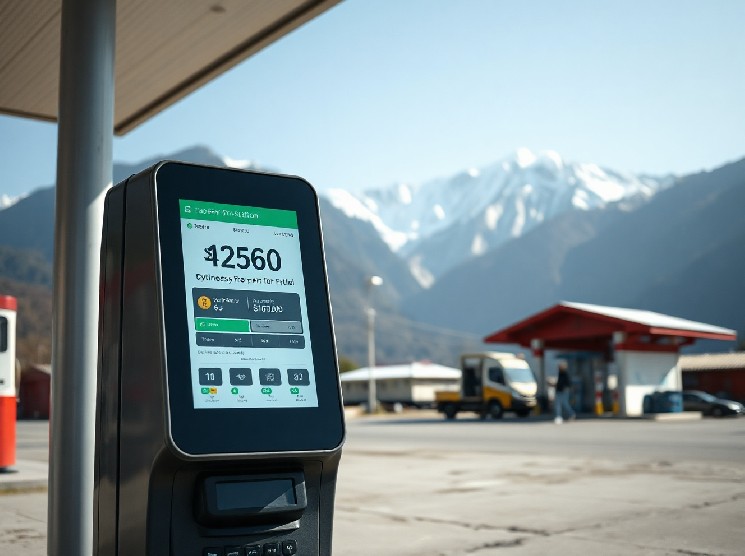
YZi Labs, a blockchain investment and research firm, has reported that cryptocurrency payments are increasingly being accepted in Bhutan for everyday transactions, including fuel purchases and visa fees. This development marks a notable shift in the Himalayan kingdom’s approach to digital finance, as it gradually integrates blockchain-based payment systems into its economy.
Expanding Crypto Adoption in Bhutan
According to YZi Labs, the use of digital currencies in Bhutan is no longer limited to experimental or niche applications. The firm highlights that fuel stations and government-related services, such as visa processing, now accept crypto payments, signaling a broader acceptance among businesses and public institutions. This move aligns with Bhutan’s earlier initiatives to explore blockchain technology, including its partnership with companies to mine Bitcoin using the country’s abundant hydropower resources.
Bhutan’s interest in cryptocurrency is part of a larger strategy to diversify its economy and embrace technological innovation. The country has been cautious yet progressive, ensuring that any adoption aligns with its unique cultural and environmental priorities. The acceptance of crypto for fuel and visas indicates a practical step toward mainstream usage, potentially paving the way for other sectors to follow.
Implications for Bhutan’s Digital Economy
The integration of crypto payments into essential services could have several implications. For one, it may boost financial inclusion, especially for those without access to traditional banking. Additionally, it could attract tech-savvy tourists and investors, enhancing Bhutan’s image as a forward-thinking nation. However, challenges remain, including the volatility of cryptocurrencies and the need for robust regulatory frameworks to protect consumers and ensure stability.
Why This Matters
For readers, this news underscores the growing global trend of cryptocurrency adoption in unexpected places. Bhutan, often known for its Gross National Happiness philosophy, is now making strides in digital finance, which could serve as a model for other developing economies. Observers will be watching to see how Bhutan balances innovation with its commitment to sustainable and inclusive growth.
Conclusion
YZi Labs’ report on crypto payments in Bhutan for fuel and visas is a clear indicator of the country’s evolving digital landscape. While still in its early stages, this development reflects a broader movement toward blockchain adoption in South Asia. As Bhutan continues to explore these technologies, the world will be watching to see how this unique experiment unfolds.
FAQs
Q1: Is cryptocurrency legal in Bhutan?
Yes, Bhutan has not banned cryptocurrencies. The government has shown interest in blockchain technology and has engaged in crypto mining, but there is no specific regulatory framework yet for everyday transactions.
Q2: Which cryptocurrencies are accepted for fuel and visa payments in Bhutan?
Specific cryptocurrencies have not been disclosed by YZi Labs. Typically, major coins like Bitcoin and Ethereum are more commonly accepted, but local adoption may vary.
Q3: How can tourists use crypto for visa fees in Bhutan?
Tourists may need to check with Bhutan’s immigration or visa processing portals for available payment options. The integration is recent, so availability may be limited and subject to change.
Related Reading
- SPiCE Central Asia 2026 to Spotlight Georgia’s iGaming Export Regime & New Regional Opportunities
- Morph launches enterprise stablecoin payment platform with non-custodial design
- Visa Dominates Crypto Card Payments, Processing Nearly All Tracked Volume
- Bitget explores licensed crypto presence in Bhutan
- Bhutan-Linked Wallet Transfers $28M in Bitcoin to Binance

 cryptoticker.io


 coinpedia.org
 cointelegraph.com