


 6
6
South Korea’s Naver Financial has pushed back the timeline for its planned share swap with Dunamu, the operator of crypto exchange Upbit, according to a regulatory filing posted on Monday.
In a filing with the Financial Supervisory Service (FSS), the company said it expects to hold a shareholder vote on Aug. 18 and complete the transaction on Sept. 30, marking a roughly three-month delay from earlier target dates of late May or early June.
Naver Financial’s plans to acquire Dunamu were first revealed in September 2025, as local news agencies Yonhap and Chosun reported the company was preparing a share swap to bring the Upbit operator under its umbrella. The company later confirmed the transaction in a Nov. 26 regulatory filing, outlining a roughly $10.3 billion all-stock deal.
The transaction is part of Naver Financial’s plan to bring Dunamu under its umbrella as a wholly owned subsidiary. The transaction would combine one of South Korea’s biggest fintech platforms with the operator of its biggest crypto exchange, making it one of the country’s most consequential crypto-finance tie-ups.
Digital Asset Basic Act could affect the deal’s outcome
Naver Financial’s FSS filing also outlined that the deal remains subject to multiple regulatory approvals tied to changes in major shareholding and business combination review.
Naver said the transaction could be delayed further or even canceled depending on the progress of approvals.
It also said ongoing discussions around South Korea's proposed Digital Asset Basic Act could affect the timeline or outcome once the legislation is enacted.
South Korea’s proposed Digital Asset Basic Act is a planned second-phase crypto law meant to go beyond the current user-protection regime and create a broader rulebook for digital assets. The legislation is expected to be rolled out in the first half of 2026.
Related: Upbit hit with $36M Solana hot wallet breach day after $10B Naver deal
Dunamu profit declines as crypto trading volumes fall
The pushed-back timeline comes as Dunamu reported a decline in operating performance, with revenue and profit both falling in 2025 amid weaker activity in the crypto market.
According to its annual report filed with the FSS, the company posted revenue of about 1.56 trillion won (around $1 billion), down 10% year-on-year. Operating profit fell 26.7% to 869.3 billion won (around $573.3 million), while net profit fell 27.9% to 708.9 billion won (around $467 million).
The company attributed the decline to reduced trading volumes during a broader slowdown in the crypto market.
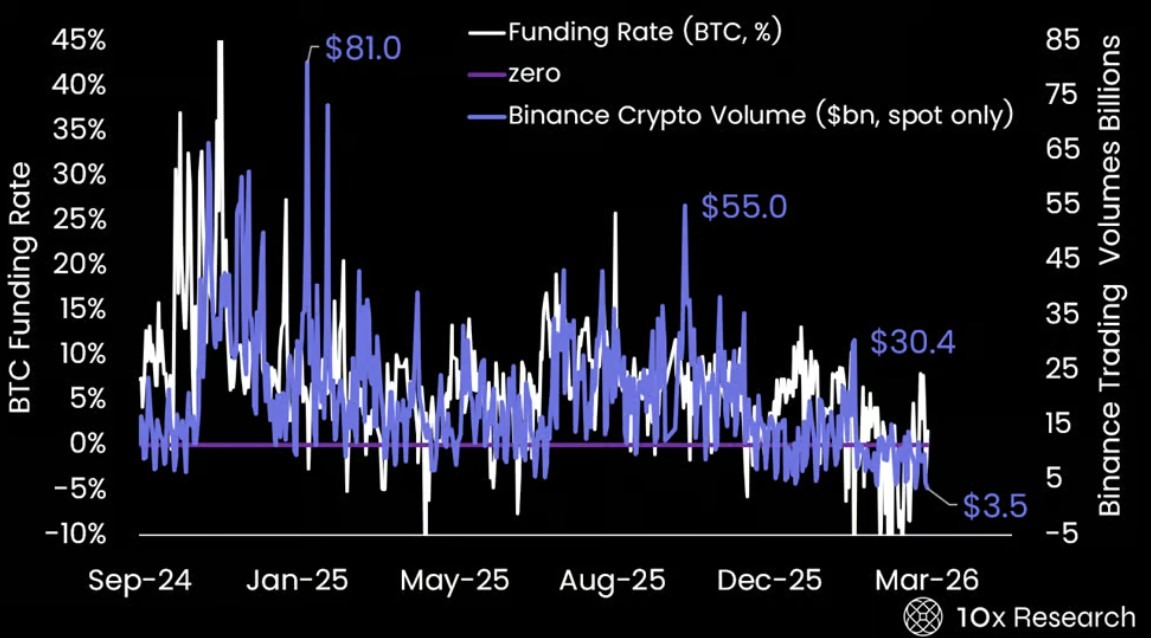
According to research firm 10x Research, trading volumes recently fell to their lowest levels since 2022, with total weekly volume down about 7% from average and network usage indicators such as Ethereum fees signaling subdued demand.
Magazine: Hong Kong isn’t the loophole Chinese crypto firms think it is

 coinfomania.com
 1
1

 coinedition.com
 cryptopolitan.com