


 8
8
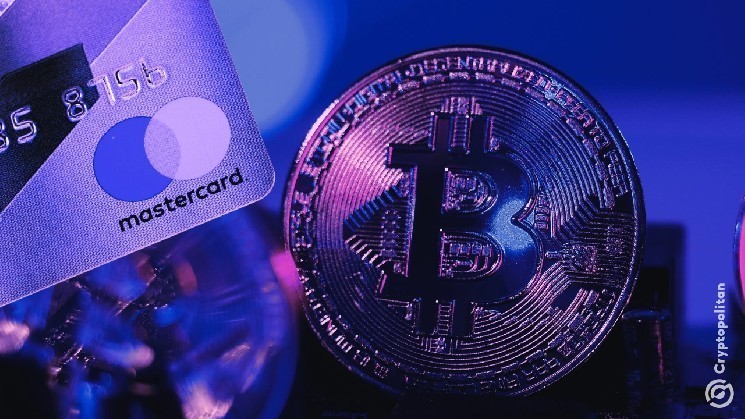
The world’s largest crypto exchange by trading volume has rolled out its prepaid Mastercard crypto card in several countries in the Commonwealth of Independent States, marketing lead Anka Tsintsadze confirmed on Friday.
The Binance Mastercard is now accessible to verified users in select CIS jurisdictions including Armenia, allowing users to convert bitcoin, ethereum, stablecoins and more than 100 supported tokens instantly into local fiat currency at checkout.
“Pay in crypto. Merchants get fiat or crypto. Best way to push crypto payments and adoption,” Binance co-founder Changpeng Zhao wrote on X, lauding the crypto card service’s regional expansion.
Binance crypto card debuts in CIS, expands European service coverage
According to Binance’s notes, the card supports both in-store and online transactions for outlets that accept Mastercard. Prepaid crypto card holders are eligible to receive up to 2% cashback on qualifying purchases, capped at $22.59 per month.
Users in the CIS can now fund accounts using US dollars via credit or debit cards, Apple Pay, and Google Pay. In Uzbekistan, customers may deposit Uzbek som through the Humo card network, while those in Kazakhstan can top up balances in tenge through local banks and Mastercard channels.
Me, somewhere in Yerevan, paying with my #CryptoCard pic.twitter.com/GfJxQEYUXS
— Anka Tsintsadze (@AnkaTsintsadze) February 12, 2026
The card’s functionality enables customers to retain crypto holdings until the moment of purchase. When making payments at a store or eatery, Binance executes the exchange at checkout, so the cardholder does not have to pre-convert their crypto into fiat.
The free-of-charge crypto-linked payment card will only be available to applicants who already hold an account with a provider that issues such cards, including a crypto exchange or a digital currency-supporting bank.
Binance requires users to complete identity verification and anti-money laundering checks before ordering the card, including standard know-your-customer procedures. Once approved, users can access card services without Binance administrative, processing, or annual fees, although third-party charges still apply in some cases.
Before today’s announcement, the exchange had launched its card services in the UK, Austria, Belgium, Bulgaria, Croatia, the Republic of Cyprus, the Czech Republic, Denmark, Estonia, Finland, France, Germany, Greece, Hungary, Iceland, Ireland, Italy, the Netherlands, Norway, Poland, Portugal, Romania, Slovakia, Slovenia, Spain, and Sweden. The CIS rollout extends Binance’s card footprint beyond the European Economic Area.
Crypto card campaign slotted in Valentine’s Day promotion
In addition to the CIS card launch, Binance announced a Valentine-themed promotional campaign with a $20,000 reward pool. The campaign runs from 2026-02-13 00:00:00 to 2026-03-13 23:59:59 (UTC), or until the rewards are fully distributed.
The promotion features pink-themed crypto rewards and invites users to complete tasks within the Binance ecosystem. Users can join the prize list by taking part in activities such as referring friends, topping up wallets, or trading on Spot and Futures markets.
The “Bring a Plus One” initiative rewards users for inviting new participants to the platform. “Love at First Top-Up” encourages participants to deposit via Binance P2P, fiat channels, card payments, or the Buy Crypto feature. Rewards can reach up to $1,000 in tokens identified by a pink icon, including AMP, UNI, and DOT.
US prosecutors are warning the public that Valentine’s Day is a peak season for romance cryptocurrency scams. In an alert issued Thursday, the US Attorney’s Office for the Northern District of Ohio told citizens to be cautious of online relationships.
Attorney David Toepfer wrote that fraudsters may have already been building trust over weeks or months before February 14, luring victims into making crypto payments to fraudulent investment platforms.
He listed several warning signs, including requests to move conversations from dating apps to WhatsApp or Telegram, early professions of love, refusal to meet in person, and demands for payment via crypto, gift cards, or wire transfers.
“Romance scammers are after your money, not your heart. They prey on trust and emotion, often targeting elderly Americans and vulnerable individuals. We encourage everyone to slow down, verify identities, and never send money to someone you have not met in person,” US Attorney Toepfer explained.

 cointelegraph.com

 coinfomania.com

 theblock.co
 en.bitcoinsistemi.com
 1
1
