

 1
1
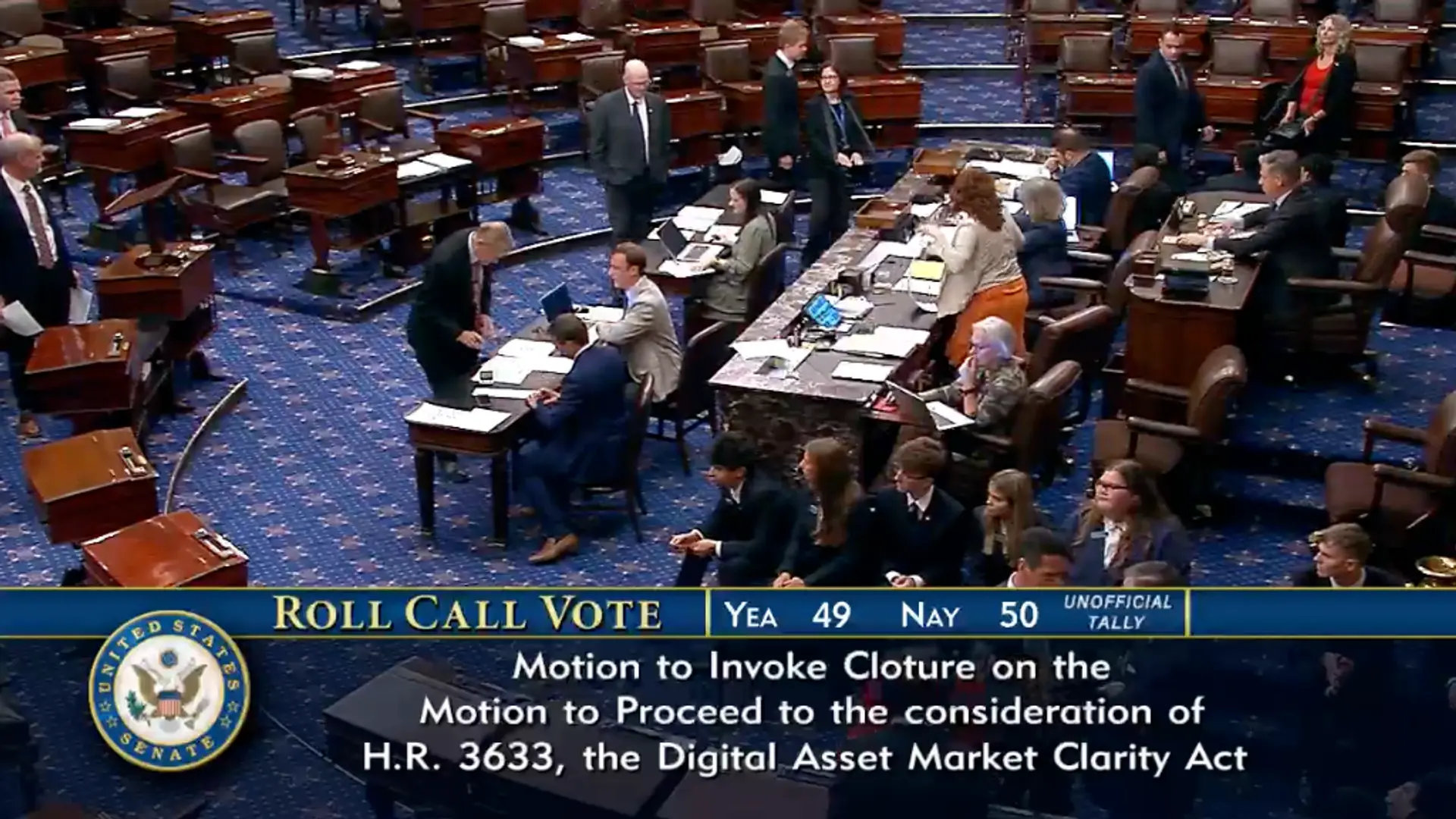
OK, the Clarity Act is dead (at least for now). Most crypto enthusiasts had a sense that this was a big bummer for the sector. But how many knew what the legislation actually did?
The Digital Asset Market Clarity Act was Congress' umpteenth version of a similar concept that's made the rounds for years: to define the different kinds of cryptocurrencies and related assets, and say exactly which regulators have power over them.
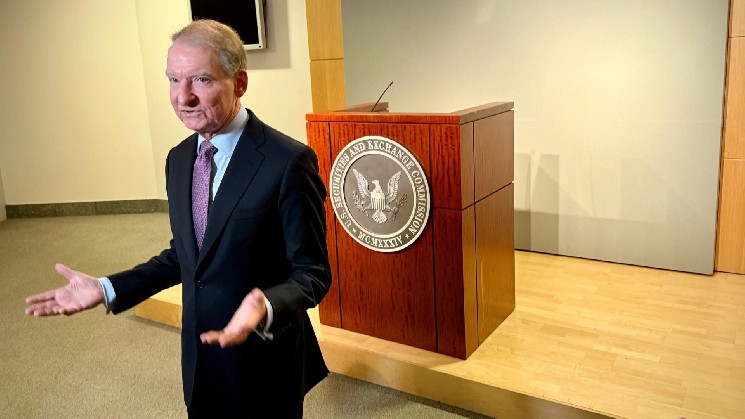
For much of the industry's history in the U.S., it battled with agencies such as the U.S. Securities and Exchange Commission over what platforms like Coinbase and Kraken were allowed to do and whether issuing crypto was legally the same as launching a security. It got heated, and there were a lot of enforcement actions, expensive settlements and drama, much of it starring former SEC Chair Gary Gensler. (Pausing for crypto insiders to boo and hiss.)
The Clarity Act would have cleared that up and also elevated the SEC's sister agency, the Commodity Futures Trading Commission, to new authorities — most importantly full supervisory powers over the crypto commodity spot markets. Spot markets are where commodities trade directly, and since bitcoin
This conflict is uniquely American, because the U.S.' regulatory regime developed completely separate securities and derivatives agencies, unlike the unification elsewhere. (Yes, everybody knows it's unnecessarily complicated.) So figuring out which one is responsible for each asset has been a minefield from day one.
Defining the different buckets of blockchain-native assets and who would regulate them was a core aspect of Clarity. Plus, the bill did a lot of things meant to curb illicit finance. And — in a particularly contentious arena — it sought to offer limited legal protections to software developers in decentralized finance (DeFi), so they wouldn't get prosecuted for how other people use their work.
We'll pass on talking about the sections that actually killed the bill, which had very little to do with the legislation's primary business. Instead, we'll look at what happens in the Clarity-shaped hole in U.S. policy. And thanks to the SEC, we didn't have to wait long.
In short, there's a reason Atkins kept saying for months that the Clarity Act was necessary. As he put it in August, "Legislation remains indispensable to enacting 'future-proofed' rules of the road that are durable enough to protect the work we are undertaking today from being unwound by a future rogue regulator."
"Rogue" may be in the eyes of the beholder, but despite Atkins' enthusiasm in forging ahead with rules now (based on what he holds as existing SEC authorities), he's been insistent about his rhetorical reservations. "Indispensible," he'd said of Congress.
In speeches earlier this year and last year, he made substantially similar future-proof declarations: "Only Congress can future-proof regulation in this space."
But he's also repeatedly said his agency can be an important ally to that legislative work.
"What I envision aligns with legislation currently being considered by Congress and aims to complement, not replace, Congress’s critical work," he said when he launched his Project Crypto in November. However, the project — for now — stands alone.
Read More: Inside the last-minute political breakdown that doomed the Clarity Act vote

-
1'We have lost control': Crypto pioneer warns AI could trigger systemic banking and infrastructure shocks
-
2Ripple says asset managers are preparing for $XRP Ledger’s next payments upgrade
-
3'The orange tie stays': Michael Saylor responds to venture capitalist's bitcoin obituary
-
4Robinhood Chain fees collapse 97% even as transactions stay near record highs
-
5Why Wall Street giants build tokenization money for institutions, not regular consumers
-
6CFTC sends crypto rules to White House to review as Congress stalls on Clarity Act
-
7Crypto tech provider Haruko hit by cyberattack affecting 15 clients, some funds lost
-
8DHS’s predictive policing is unconstitutional, un-American and should be stopped
-
9ECB President Christine Lagarde intervened to block Binance’s EU MiCA license: WSJ
-
10Zcash targets November upgrade to make private payments up to three times faster

The Definitive Stablecoin Landscape Series: Asia Pacific

The Definitive Stablecoin Landscape Series: Asia Pacific
As stablecoins move into regulated finance, APAC is becoming a key proving ground. This report maps the region’s rules, use cases, and $RLUSD’s role.
As stablecoins move into regulated finance, APAC is becoming a key proving ground. This report maps the region’s rules, use cases, and $RLUSD’s role.
Why it matters:
As stablecoins move into regulated finance, APAC is becoming a key proving ground. This report maps the region’s rules, use cases, and $RLUSD’s role.
Inside the last-minute political breakdown that doomed the Clarity Act vote
Crypto’s Clarity Act heads into a make-or-break week with no clear outcome

The legal drama of imprisoned Sam Bankman-Fried is waiting on its last act

'We have lost control': Crypto pioneer warns AI could trigger systemic banking and infrastructure shocks

Ripple says asset managers are preparing for $XRP Ledger’s next payments upgrade


 cointelegraph.com
 coinfomania.com

 forbes.com
 crypto.news