


 2
2
Senator Cynthia Lummis said on 18 Aug that negotiations over the CLARITY Act have narrowed to two unresolved issues ahead of a crucial procedural vote: protections for software developers and restrictions on President Donald Trump's crypto ventures. The disputes could determine whether Senate Republicans can assemble the votes needed to advance the landmark market structure legislation, which would establish the first comprehensive US framework for digital asset markets.
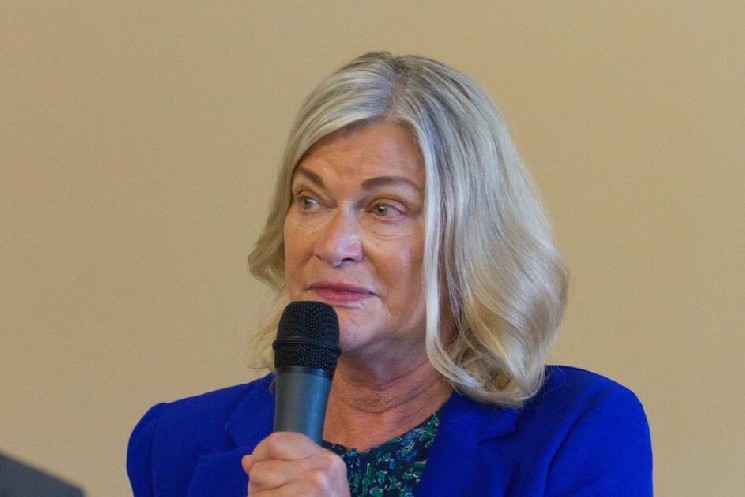
Speaking alongside Senate Banking Committee Chairman Tim Scott at the SALT Wyoming Blockchain Symposium, the Wyoming Republican said the scheduled vote had brought months of negotiations closer to a decisive point after repeated concessions and changes to the bill.
"This bill has had a lot of land mines placed in its way during the course of the year," she said, claiming the legislation had expanded from fewer than 300 pages to more than 600 to accommodate more than 100 requested changes from Democrats.
CLARITY, which would create clearer rules for the US crypto industry, including setting out the roles of the Securities and Exchange Commission (SEC) and Commodity Futures Trading Commission (CFTC) was initially passed by the House in 2025.
Getting the legislation through the Senate has been more difficult. The Senate Banking Committee advanced the legislation in a 15-9 bipartisan vote in May. Senate Majority Leader John Thune has since set up a cloture vote for 15 Sep, which would limit further debate and allow the bill to move towards a final floor vote only weeks before the November election, which could change the balance of power in Congress - and with it, the fate of the CLARITY Act.
Proving Innocence
One of the remaining disputes centres on the legal protections afforded to developers whose software is misused for illicit finance.
Lummis said the association of state attorneys general has proposed language requiring coders and developers to prove they did not know their products were being used for illicit finance. The proposal, however, would invert how criminal liability normally works in the US, where prosecutors carry the burden of showing that a defendant knowingly facilitated the activity.
Under the suggested language, a developer who published a product or protocol that was later used to move criminal proceeds would have to prove their lack of knowledge of the transactions. "That's not how our system works," Lummis said.
The final sticking point
According to Lummis, Senate Democrats are also pushing for tighter restrictions on Trump's crypto holdings than the White House has so far agreed to.
Lummis said she and Republicar Senator Bernie Moreno of Ohio secured Trump's agreement to either place his holdings in a blind trust approved by the executive branch's ethics office or divest them entirely. She portrayed the concession as unprecedented, saying Trump had agreed to restrictions beyond those required of a president under the Constitution. "I sat in the Oval Office with the president and asked him to do this, and I didn't think he'd agree to it, but he did," she said.
That agreement has not satisfied Democrats, however, prompting Republican Senator Thom Tillis and Arizona Democrat Ruben Gallego to negotiate a stricter alternative. Their proposal would allow Trump to use a blind trust unless his stake in an entity such as World Liberty Financial exceeds 5%, in which case he would have to divest the excess interest.
The bill needs 60 votes to clear the procedural hurdle on 15 Sept, meaning approval from at least seven Democrats in addition to the Republican supporters.
As her work on digital asset legislation ends, Lummis looked forward to the next battle. "After CLARITY passes, we're moving right into artificial intelligence," she said.

 financemagnates.com

 bitcoinworld.co.in