

 1
1
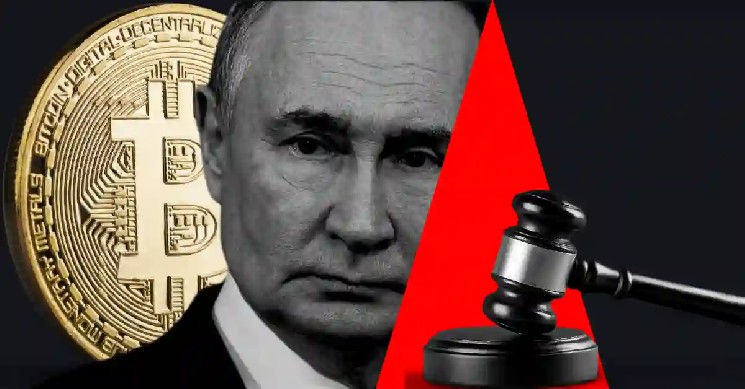
On August 4, Russian President Vladimir Putin signed the “Digital Currency and Digital Rights Law,” effectively legalizing the nation’s first crypto regulation framework.
Most of its provisions will take effect on September 1, 2026, with full licensing and compliance required by July 1, 2027. Here are the details:
Russia’s stance on crypto payments
Russia has now banned the use and advertisement of cryptocurrencies as domestic legal tender. The country, however, supports these kinds of payments in international trade and cross-border settlements as a way to bypass Western sanctions.
Investor rules
The new framework divides crypto users into two cohorts, namely: retail (non-qualified) and professional (qualified) investors. Retailers or ordinary citizens are restricted to an annual crypto purchase limit of 300,000 rubles ($3,750). Furthermore, their trading is limited to highly liquid cryptocurrencies such as Bitcoin, Ethereum, and Tether, and only under licensed intermediaries.
Differently, professional investors face zero limits on investment amounts or types of digital assets traded.
Both types of investors are, however, required to pass a mandatory knowledge and risk assessment, with professional traders facing a more advanced test.
Additionally, all investors’ digital assets are now recognized as legal property. This means they are afforded judicial protection whether or not they were previously declared in tax reports
Crypto intermediaries and banks
Henceforth, all crypto service providers, including exchanges, brokers, digital depositories and clearance houses, are required to register with the Central Bank by July 1, 2027. Any individual or group that completes two or more crypto transactions totaling over 3.5 million rubles ($43,700) monthly is now considered to be operating a business.
In terms of capital, licensed crypto operators need to maintain a minimum equity of 15 million rubles ($187,000). They are also mandated to join a financial market self-regulatory organization (SRO).
In matters of fraud, Russian commercial banks are now legally empowered to block or freeze funds related to unauthorized crypto entities.
Crypto miners
Finally, Russia now considers crypto mining a legitimate economic activity. Crypto mining companies are required to register with the relevant authorities, while individuals are free to mine without registration, provided their household electricity consumption does not exceed government-issued caps.
Notably, Prime Minister Mikhail Mishustin has imposed a regional ban in Moscow, its outskirts, and parts of Kursk from August 15, 2026, until December 31, 2032, to prevent severe power grid failure.

 cryptopolitan.com

 cointelegraph.com
 u.today
 coinedition.com