


 16
16
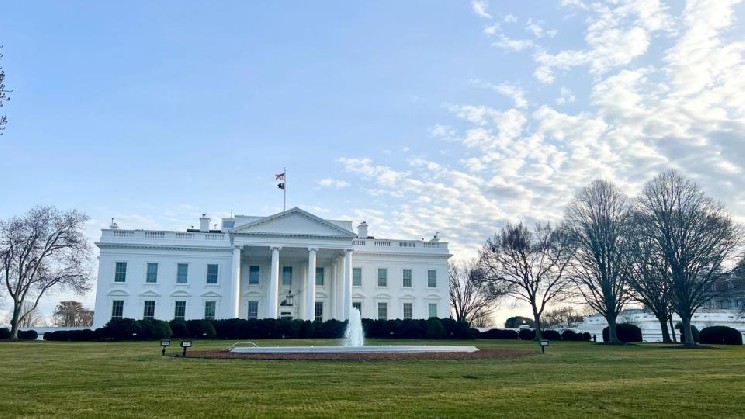
The White House has invited law enforcement organizations objecting to the language of the U.S. Senate's crypto market structure bill to sit down for a meeting on Monday, according to a person briefed on the plan, which is meant to iron out objections over the way the legislation protects against illicit finance.
The tension is focused on the Digital Asset Market Clarity Act's section known as the Blockchain Regulatory Certainty Act (in reference to an earlier legislative effort). That section (604) seeks to ensure that software developers who don't mean to ultimately control the tools they're enabling can't be held legally responsible as "money transmitters" — considered a vital protection for developers to continue creating decentralized finance (DeFi) projects.
Groups such as the National Sheriffs Association have said they have significant concerns with the language, despite other law enforcement officials voicing some support.
"No good reason supports giving mixers, tumblers, and DeFi a blanket exemption," the sheriffs' group said in a May letter to the leaders of the Senate Banking Committee. "While some software developers are not engaged in money transmitting or other activity that should subject them to BSA regulation, plenty of others are."
White House officials — especially lead crypto adviser Patrick Witt — have sought to keep the Clarity Act moving forward in the Senate, including holding previous meetings with those who have objected, such as law enforcement groups and Wall Street bankers. Representatives of the White House didn't immediately respond to requests for comment on the expected Monday meeting, which meant to work through some of the remaining concerns, and few details were available.
Industry groups such as the Blockchain Association have defended the legislation's crime-fighting tools, arguing that the bill includes a number of new powers for pursuing bad actors, and that the absence of a new law will leave a vacuum.
At an industry-hosted event earlier this month, White House adviser Witt said, "We're putting real regulatory constraints on businesses and actors that currently live in a state of uncertainty."
To law enforcement officials, he argued, "You should be the biggest cheerleaders for this bill, because this is really what is missing."
Meanwhile, the Clarity Act's political opponents, such as Senator Elizabeth Warren — the top Democrat on the Banking Committee, have maintained a steady stream of criticism on the legislation's illicit-finance front. They routinely cite crypto's use by criminal groups, drug cartels and human traffickers.


 crypto.news
 financemagnates.com

 bitcoinworld.co.in