


 3
3
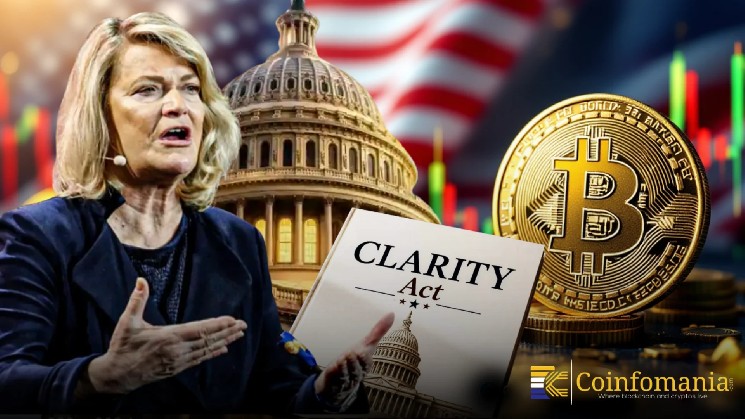
Senator Cynthia Lummis is connecting two of Washington’s biggest conversations. America’s debt crisis and digital asset regulation and arguing that one might actually help solve the other. As the CLARITY Act inches toward a Senate vote, the Wyoming senator is making the case that Bitcoin isn’t just a speculative asset.
Against a backdrop of U.S. gross national debt hitting roughly $39.2 trillion. She’s positioning it as a genuine financial tool for younger generations saddled with the consequences of decades of government overspending. Her remarks land at a pivotal moment for both Bitcoin news today and the broader legislative push around the CLARITY Act.
Lummis Highlights Bitcoin’s Long-Term Role
Sen. Cynthia Lummis didn’t mince words about the fiscal situation or Bitcoin’s potential role in addressing it. Lummis said:
Our debt is real. Our fiscal trajectory is unsustainable. Bitcoin is one of the few tools that could help right that wrong for younger Americans.
— Senator Cynthia Lummis (@SenLummis) June 15, 2026
The senator has been one of Capitol Hill’s most consistent crypto advocates. Her framing of Bitcoin as a hedge against currency debasement and long-term inflation risk has resonated across crypto news circles. Even as some economists remain skeptical about whether digital assets can meaningfully offset sovereign debt concerns.
CLARITY Act Advances Toward Senate Consideration
Meanwhile, momentum behind the crypto Clarity Act continues to build. The Digital Asset Market Clarity Act cleared the House in July 2025 with bipartisan support and passed the Senate Banking Committee in May 2026. If enacted, it would finally draw clear regulatory lines for digital assets. Splitting jurisdiction between the SEC and CFTC, introduce DeFi protections and give stablecoin and tokenization frameworks proper legal footing.
Key provisions include:
- SEC oversight of digital asset securities
- CFTC regulation of digital commodities like Bitcoin and Ethereum
- Protections for decentralized finance projects
- Clearer legal treatment for stablecoins and tokenization
- Greater regulatory certainty for developers
Lummis has argued the bill would create disclosure standards actually built for digital assets, not retrofitted from regulatory frameworks written nearly a century ago.
July 4 Deadline Faces Challenges
Despite the optimism flowing from some lawmakers and White House officials, the July 4 signing deadline is looking increasingly difficult to meet. Recent crypto regulation news highlights the remaining obstacles. Unresolved ethics provisions, competing committee versions that still need reconciling and the need for 60 Senate votes to clear procedural hurdles. All before the Senate heads into recess. Many observers have quietly concluded the deadline will slip. Still, supporters insist the CLARITY Act has a credible path to passage later this year.
Why the Industry Is Watching Closely
For the crypto industry, the stakes couldn’t be higher. The CLARITY Act represents the clearest shot yet at the regulatory certainty advocates say is needed to keep blockchain innovation anchored in the United States.
As national debt concerns, Bitcoin news today and crypto regulation news increasingly converge in Washington. The months ahead could prove genuinely defining both for U.S. digital asset policy and for the long-term direction of the industry. Sen. Cynthia Lummis is betting that Bitcoin and clear crypto rules belong at the center of that conversation.

 crypto.news
