

 3
3
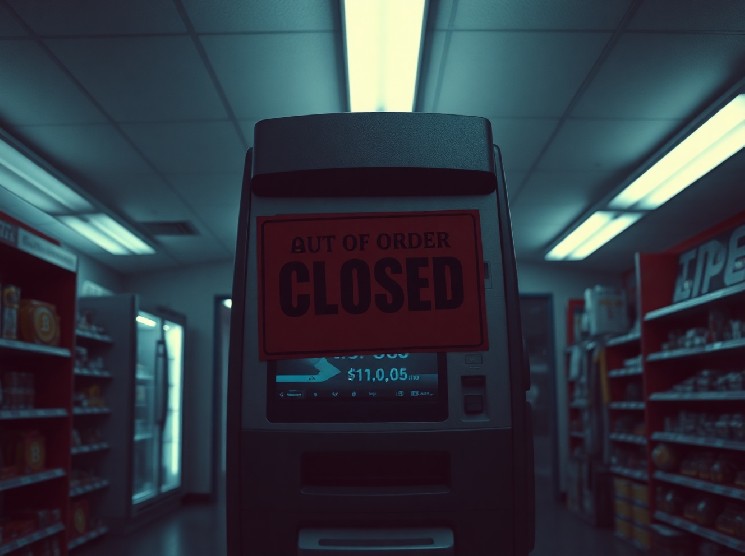
The Delaware House of Representatives has passed a bill that would prohibit the operation of cryptocurrency ATMs across the state, citing growing concerns over fraud and consumer protection. The legislation, now headed to the state Senate for consideration, would require all existing crypto ATMs to be shut down and removed within 90 days of enactment.
What the Bill Proposes
House Bill 123, as reported by Decrypt, targets the proliferation of cryptocurrency kiosks that have become common in convenience stores, gas stations, and other retail locations. Lawmakers argue that these machines are increasingly used to facilitate scams, particularly targeting elderly and vulnerable residents who may not fully understand the technology. The bill would make it illegal to operate, maintain, or permit the installation of a cryptocurrency ATM anywhere in Delaware.
Why This Matters for Consumers
Cryptocurrency ATMs allow users to buy or sell digital currencies like Bitcoin using cash or debit cards. While legitimate users appreciate the convenience, regulators have flagged them as high-risk for money laundering and fraud. The Federal Trade Commission has reported a surge in scams where victims are directed to deposit cash into these machines under false pretenses. Delaware’s proposed ban reflects a broader state-level push to rein in unregulated crypto financial services.
Similar Actions in Other States
Delaware is not alone in taking a hard line. Indiana, Tennessee, and Minnesota have previously enacted comparable restrictions or outright bans on crypto ATMs. These measures often include licensing requirements, transaction limits, and mandatory disclosures. The trend signals a growing skepticism among state legislators about the consumer safety risks posed by unmonitored crypto kiosks.
What Happens Next
The bill now moves to the Delaware State Senate, where it will undergo committee review and potential amendments. If passed, Delaware would join a small but growing list of states with explicit bans. Industry advocates argue that such laws could stifle innovation and push transactions underground, while consumer protection groups praise the move as necessary to prevent financial harm.
Conclusion
Delaware’s legislative action highlights the ongoing tension between cryptocurrency adoption and consumer safety. As the bill advances, stakeholders on both sides will be watching closely. For now, the message from Dover is clear: protecting residents from crypto-related fraud is a priority that may outweigh the benefits of unregulated ATM access.
FAQs
Q1: What is a cryptocurrency ATM?
A cryptocurrency ATM is a kiosk that allows users to buy or sell digital currencies like Bitcoin using cash, debit cards, or other payment methods. Unlike traditional ATMs, they are not connected to a bank account.
Q2: Why does Delaware want to ban crypto ATMs?
Lawmakers cite a rise in fraud cases, especially among seniors, where scammers trick victims into depositing cash into these machines. The bill aims to eliminate this vector for financial exploitation.
Q3: What happens to existing crypto ATMs in Delaware if the bill becomes law?
Operators would have 90 days to shut down and remove all machines. Failure to comply could result in penalties. The timeline is designed to give businesses a reasonable window to adjust.

 coindesk.com

 cointelegraph.com
 u.today
