


 2
2
Circle (CRCL) shares bounced 5% Wednesday after a 17% plunge, as investors are weighing whether the new Open USD stablecoin consortium backed by Stripe, Mastercard, Coinbase and BlackRock poses a lasting threat to the $USDC issuer.
Global brokerage Jefferies isn't convinced the selloff has fully priced in the risks, arguing that Circle faces mounting competitive pressure as banks, payment firms and fintechs increasingly launch their own stablecoins.
"Buy the dip? We wouldn't," the firm's analyst team wrote in a note to clients.
"CRCL headwinds are unlikely to ease," analysts wrote, warning that competition could pressure $USDC's supply growth and market share.
The authors argued that Circle, which holds roughly 25% of the $300 billion stablecoin market, is moving into a more competitive phase. While $USDC benefited from an early lead after launching in 2018, Jefferies said new entrants now have something Circle lacked in its early years: large built-in distribution networks.
The launch of Open USD, backed by more than 140 companies including Stripe, Coinbase, Visa, Mastercard and BlackRock, points that shift. The consortium plans to share reserve income with participating companies, potentially making the platform more attractive to payment providers and fintechs.
Jefferies analysts also flagged Coinbase's participation as a new risk. Circle derives about 95% of its revenue from interest earned on $USDC reserves and relies heavily on Coinbase as its largest distribution partner. The companies' commercial agreement is reportedly up for renewal in August.
While the brokerage doesn't view Coinbase joining Open USD as a sign it's abandoning $USDC, it said the exchange could eventually promote competing stablecoins, weighing on $USDC's growth.
Network effects vs. new challengers
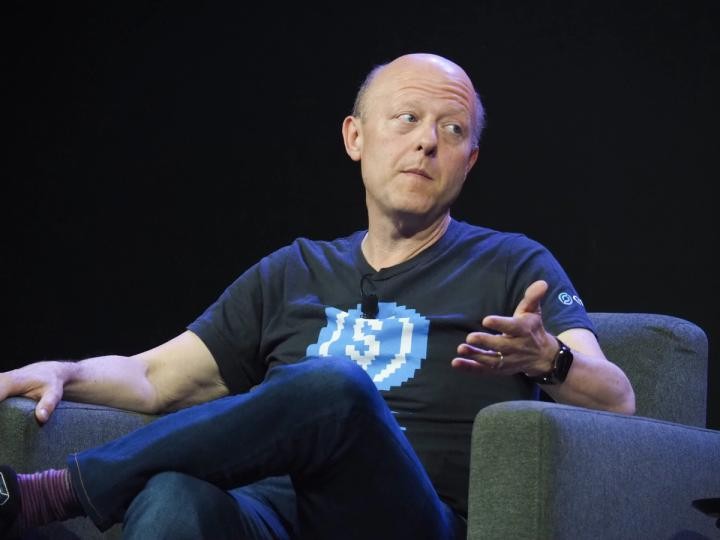
Circle CEO Jeremy Allaire pushed back against the competitive narrative in a lengthy post on X Wednesday, arguing that stablecoins are ultimately network businesses built over years rather than products that can be replicated overnight.
He pointed to $USDC's ecosystem of thousands of integrations, deep liquidity across exchanges and decentralized finance protocols and regulatory approvals in markets including Europe and Japan as advantages that would be difficult for newcomers to match.
He also disputed one of Open USD's central selling points: sharing reserve income with partners. Circle already shares the majority of its income with distribution partners, he said, while retaining enough revenue to keep investing in infrastructure.
"Giving away all the income is a recipe for starving an infrastructure," Allaire wrote.
He was also skeptical of the consortium model itself.


 coingape.com

 cryptobriefing.com