

 4
4
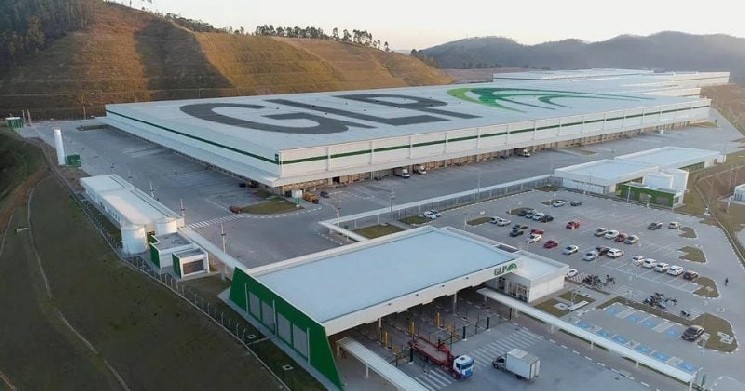
GLP, the Singapore-headquartered logistics and real assets firm, is preparing to raise up to $3B through an initial public offering in Hong Kong. The company is targeting a listing by the fourth quarter of this year, a move that would mark its return to public markets nearly a decade after going private.
The planned IPO would value GLP at approximately $20B, making it one of the largest listings Hong Kong has seen in recent memory.
A heavyweight roster of advisers
GLP has assembled a formidable lineup of banks to shepherd the offering. Citi, Morgan Stanley, Deutsche Bank, and Jefferies have all been brought on as advisers.
The firm currently manages around $80B in assets under management as of mid-2025. Its portfolio spans logistics real estate, digital infrastructure, and renewable energy.
While the Q4 timeline is the current target, discussions have also floated a potential listing window stretching into the first half of 2026. The final offering size and exact timing remain fluid.
There’s also been discussion about whether GLP would list the broader group or specifically its China-focused unit. That distinction matters. A China-specific listing would carry a different risk profile and investor appetite than a diversified global platform, particularly given the ongoing geopolitical tensions that have made some institutional investors cautious about concentrated China exposure.
The backstory: from public to private and back again
This isn’t GLP’s first time at the IPO rodeo. The company was founded in 2009 and first went public on the Singapore Exchange in 2010, raising approximately $3B (around S$3.9B) in that offering. It traded on the SGX until 2018, when it completed a privatization deal valued at S$16B.
The company operates with significant presence across Asia, maintaining offices in Singapore, Shanghai, and Hong Kong. It’s led by co-founder and CEO Ming Z. Mei, who has been at the helm since the firm’s inception.
What this means for investors
The digital infrastructure and renewables components of GLP’s business add diversification, but they also add complexity. Investors will need to parse how much of that $80B in AUM sits in traditional logistics warehouses versus data centers versus solar farms, because each carries different margin profiles, growth trajectories, and risk characteristics.
The choice of Hong Kong over Singapore, where GLP was previously listed, is worth watching. Hong Kong offers deeper liquidity pools and better access to mainland Chinese capital, both of which matter for a company with significant Asia-Pacific operations.

 bitcoinworld.co.in

 coindesk.com