


 2
2
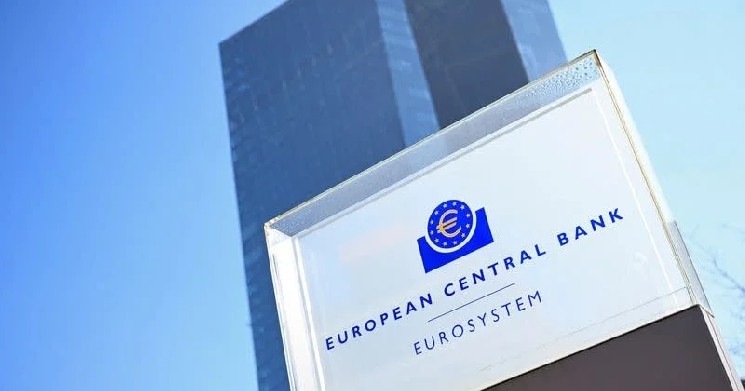
Isabel Schnabel, a member of the European Central Bank’s executive board, warned that economic growth will take a bigger hit from the current shock than previously anticipated. The statement lands at a moment when Europe is already grappling with the ripple effects of escalating tensions in the Middle East and volatile energy markets.
Energy shock meets inflation anxiety
Schnabel’s comments center on an energy price shock driven by the ongoing conflict involving Iran and the broader Middle East region. Europe, as a net energy importer, is particularly exposed to this kind of disruption.
The ECB had been in what Schnabel herself previously described as a “good place” after successfully wrestling inflation close to its target earlier in 2026. That progress is now at risk of unraveling.
The concern isn’t just about energy bills going up. It’s about what economists call second-round effects, where an initial price shock in energy cascades into wages, services, and consumer goods, embedding itself into the broader inflation picture. If that happens, the ECB may have no choice but to tighten monetary policy, even as growth deteriorates.
Schnabel also issued a pointed warning about the erosion of central bank independence. She linked that risk directly to a scenario of “higher inflation and lower growth,” suggesting that political pressure on the ECB to accommodate fiscal spending could compromise its ability to do its job.
What changed from the earlier outlook
Earlier in 2026, ECB officials were cautiously optimistic. Inflation had been brought under control after years of post-pandemic and energy crisis turbulence. The policy stance appeared stable, and there was even room for discussion about easing.
While no specific revised GDP numbers or updated projections were cited in the immediate reporting, the directional message was unmistakable: things are getting worse, not better.
Supply shocks, Schnabel noted, are expected to occur with increasing frequency. This framing is important because it signals the ECB isn’t treating the current energy disruption as a one-off event. Instead, policymakers seem to be preparing for a world where these kinds of shocks become a recurring feature of the economic landscape.
What this means for crypto and risk assets
Schnabel made no direct mention of crypto assets or digital currencies in her remarks. But the relationship between central bank policy and crypto prices isn’t abstract. Bitcoin’s historical price action shows clear sensitivity to interest rate expectations, particularly during the 2022 tightening cycle when aggressive rate hikes coincided with a brutal crypto drawdown.
If the ECB moves toward tighter policy to combat energy-driven inflation, it creates a less favorable environment for risk-on positioning. Higher rates mean higher opportunity costs for holding non-yielding assets like Bitcoin.
Energy prices are the variable to monitor most closely. If Middle East tensions escalate further and crude prices spike, expect the hawkish rhetoric from Frankfurt to intensify.

 coindesk.com


 cointelegraph.com
