


 3
3
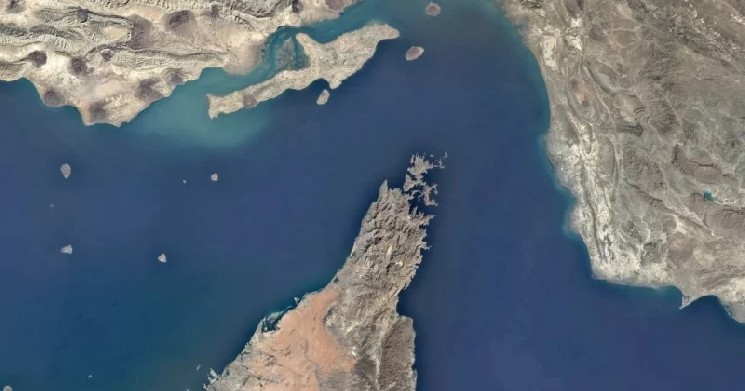
A predawn military strike near Larak Island in the Strait of Hormuz on May 25 reportedly killed three people, in what Iranian state-affiliated media attributes to a joint US-Israeli operation. The fatalities have been identified as Abbas Eslami, Ghodrat Zarnegari, and Abdolreza Golzari.
Separate reports from Iranian outlet SNN indicate that four IRGC naval personnel were also killed during strikes on speedboats operating in the surrounding waters. Explosions were reportedly heard in nearby Bandar Abbas, accompanied by drone activity over the area.
Why Larak Island matters
Larak Island sits at the narrowest point of the Strait of Hormuz. Roughly one-fifth of global petroleum consumption passes through this waterway daily.
For Iran, Larak Island serves as a critical outpost for military operations and maritime surveillance, hosting military installations including bases and radar stations, as well as fast-attack craft. It gives Iranian forces visibility over virtually every tanker and warship transiting the strait.
The island has drawn increased strategic attention throughout 2026 as tensions between the US, Israel, and Iran have continued to intensify, with military analysts flagging it as a potential flashpoint in discussions surrounding US and Israeli operational strategies intended to assert control over transit routes.
The broader escalation pattern
The targeting of IRGC speedboats adds another dimension. These fast-moving vessels have long been a hallmark of Iran’s asymmetric naval strategy, designed to swarm and overwhelm larger warships.
Reports of drone activity and explosions in Bandar Abbas, one of Iran’s most important port cities and naval bases, suggest the operation’s scope may have extended beyond just Larak Island itself. Bandar Abbas hosts significant IRGC Navy infrastructure and serves as a logistics hub for Iranian operations across the Persian Gulf.
What this means for investors
This specific incident has not produced any direct, observable impact on digital asset markets, and no market reactions or cryptocurrency references have been reported in connection with these developments.
The Strait of Hormuz is the single most important variable in global oil pricing outside of OPEC production decisions. Higher oil prices feed into broader inflation, which constrains central banks from cutting rates, putting pressure on risk assets. Conversely, geopolitical instability sometimes drives capital toward Bitcoin as a perceived hedge against systemic risk.
For crypto-native investors, the variables to monitor are oil prices, Treasury yields reacting to inflation expectations, and any signs that this escalation is forcing the Federal Reserve or other central banks to recalibrate their rate path.
