

 2
2
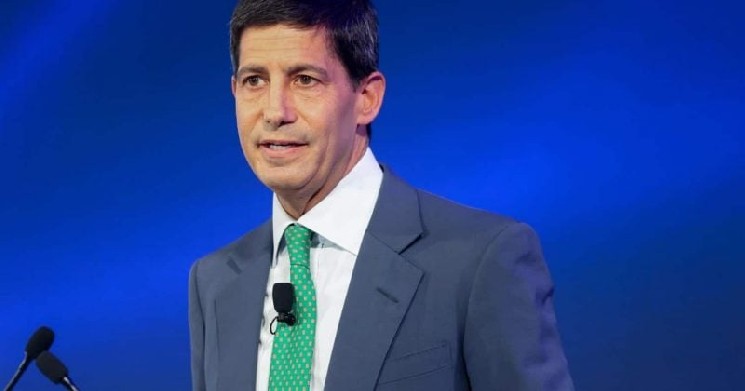
Kevin Warsh will be sworn in as Federal Reserve chair on Friday by President Donald Trump, a White House official told CNBC, marking the end of a nomination process that started in summer 2025 and was completed last week with Senate confirmation in a strongly partisan vote.
Warsh will succeed Jerome Powell, whose term officially ended Friday but who continues to serve in a temporary capacity until the transition is finalized. Upon taking office, the crypto-friendly Warsh will become the 11th chair in the modern Federal Reserve era and, based on disclosures filed before confirmation, the wealthiest person ever to lead the central bank, though he will be required to divest substantial assets under tightened ethics rules governing Fed leadership.
The ceremony highlights Trump’s economic expectations for a post-Powell Fed that resumes cutting interest rates after three reductions in 2025. Meanwhile, financial markets remain cautious, expecting elevated inflation and a resilient labor market to slow additional easing until inflation shows sustained movement back toward the Fed’s 2% target, which has not been consistently achieved for over five years.
Background and confirmation
Kevin Warsh is a former Fed governor who served during the 2008 financial crisis and later became the youngest-ever Fed governor at age 35. Nominated by President Trump in early 2026, he was confirmed by the Senate in a narrow 54–45 vote and is set to replace Powell as Fed chair.
Crypto and financial system stance
Warsh is viewed as more crypto-friendly than his predecessor, having said Bitcoin “does not make him nervous” and supporting integrating digital assets into mainstream finance.
While the Fed doesn’t directly regulate crypto, his leadership is expected to influence how willing banks are to engage with digital assets. He is also skeptical of a US central bank digital currency.
Policy outlook and risks
Markets expect Warsh to be more open to interest rate cuts, depending on inflation trends, reflecting Trump’s preference for looser monetary policy. However, this raises added scrutiny around Fed independence, as political expectations for easier policy could test the Fed’s traditional separation from the White House.

 coindesk.com

