


 4
4
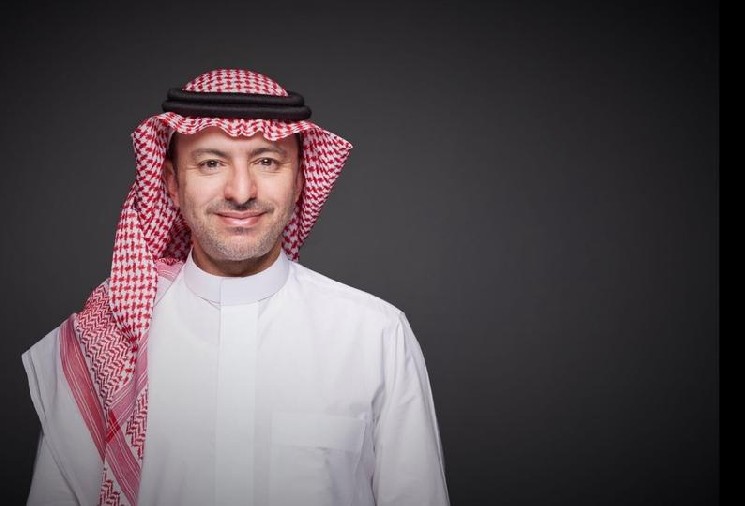
Faisal Monai, chair of Saudi Arabia’s largest tokenization platform, believed in digital payments years before bitcoin’s inception in 2009. By 2007, he had already led the transition of the Saudi Arabian kingdom’s $4 trillion cash-heavy payments system into a digital network.
Before SADAD came into existence in 2004, the Saudi Central Bank digital payments system he designed, about 70% of bill payments across the kingdom were paid in cash at physical branches. People had to queue for hours just to pay a utility bill. Monai put an end to that linking every bank in the oil-rich country to every major biller through a single digital pipeline.
Monai, who is known throughout the Gulf region as the Architect of Saudi Kingdom’s financial plumbing, created a system that in 2025 handled over 14.5 billion transactions worth roughly $250 billion.
In an extensive interview with CoinDesk, Monai, who has now secured $12.5 billionin mandates to bring real-world assets (RWAs) onto the blockchain via droppRWA, shared a bold prediction.
A nationwide tokenized financial system
“By 2030, Saudi Arabia will have demonstrated something the rest of the world is still debating: that sovereign-grade tokenization can function as core national financial infrastructure,” he said.
The droppRWA chairman said stablecoin settlement in the real estate sector will be live within the next four years. Several G20 markets will have adopted the regulatory frameworks and infrastructure models that Saudi Arabia will have proven first.
As of mid-2026, the stablecoin settlement market has grown to over $300 billion in total market capitalization, with transaction volumes for 2025 having surpassed $30 trillion, according to a May European Central Bank report. The tokenized market is still in its early stages, but is already worth $25 billion.
“The infrastructure question will be settled,” he reiterated. “And the distinction that matters most, between wrapping an asset in a digital layer and actually building the market foundation that makes the asset investable.”
Now, Monai is already behind the world’s first tokenized property deed transaction. On Feb. 4, the droppRWA enabled deed transfer proved that blockchain reduces property settlement times from days to mere seconds, transforming once illiquid physical territory into highly liquid, programmable assets.
“Following this successful execution, the infrastructure is slated for a wider rollout across the Kingdom’s multi-trillion dollar real estate pipeline, including designated investment zones,” said Monai.
But not just real estate, Monai has his eyes set on tokenizing various sectors of his country’s economy, including energy, manufacturing and more. The reason he and those conclusively backing him not just from the highest levels within Saudi Arabia but across the Gulf region, is simple, he adds.
In the U.S., Wall Street races to lead the tokenization sector, with JPMorgan, Blackrock and others already participating, while a clear sign of how fast this market is growing is the fact that tokenized United States Treasuries hit a record $15.5 billion in May.
Certainty, the most valuable commodity
“Tokenization is a way to insulate the Gulf’s wealth from economic shocks by removing risks and enhancing resilience,” he said. “In periods of volatility, the most valuable thing for asset owners is certainty: certainty of ownership, transfer, collateral and settlement.”
Tokenization can provide absolute certainty, he ensures, without the physical or administrative friction of traditional measures.
“When markets are calm, tokenization improves efficiency. When markets are under stress, it can become a safety layer,” he said. Also hugely critical is the ability to mobilize value digitally, while keeping it legally anchored to real assets, which is a powerful tool for wealth preservation.”
Monai describes sovereign-native tokenization as a more resilient operating model for national wealth, one that performs precisely when legacy infrastructure is under the most strain.
A vision as the Iran war continues
Beyond the technical plumbing, Monai shares his vision in response to questions regarding a fracturing global order. While the West debates the speculative merits of crypto, the Middle East closely observes its utility in real-time.
When asked about the recent volatility following the conflict in Iran, Monai’s stance is pragmatic rather than ideological. He notes that while the “sharpest spikes” in crypto usage occurred in Iran, a “symptom” of the war-battered people bypassing collapsing banking systems, the Gulf is drawing a more sophisticated lesson.
"The weekend of the initial strikes was notable because crypto markets were effectively the only functioning market while traditional exchanges were closed," he said. For Monai, the goal isn’t more “crypto trading,” but rather capturing that “always-on” resilience for regulated, sovereign capital markets.
This resilience, he said, extends to the global hegemony of the U.S. dollar. While Monai spoke of rumors of “de-dollarization” floating in the Gulf region, he rejected a future in which Gulf states seek replacing the dollar, but instead adopting a “multi-rail” reality.
"The dollar remains deeply embedded in the region and will continue to be that way," he says, "but Gulf governments are also clearly pursuing faster, more sovereign settlement infrastructure that operates alongside existing rails, not against them."
The stablecoin standard
Central to these new rails is the arrival of stablecoins, a topic Monai treats with caution of a central banker. While Wall Street and the crypto natives chase yield-bearing products, Monai warns that “the moment reserves are deployed for returns, the guarantee becomes contingent.” For Saudi Arabia, he added, the focus remains on settlement infrastructure, not speculative instruments.
The mandate in his opinion is clear. By late 2026, stablecoin settlement in Saudi real estate is expected to go live. Under partnership of the Capital Market Authority and the Central bank, developers will be able to receive global capital in minutes, rather than days, all within a strictly regulated environment.
For Faisal Monai, the journey from building SADAD’s first digital pipes in 2004 to tokenizing the Kingdom’s energy and land in 2026 is a single, uninterrupted line. By 2030, he insisted, he expects the world to finally stop debating the “how” of blockchain and start marveling at the “what” and his country will be the first proof of concept ever.
"The infrastructure question will be settled," Monai concludes. In the race to build the financial operating system of the next century, the Architect of the Gulf has already laid the first stones.

 en.bitcoinsistemi.com

 cryptonews.net