

 2
2
A $20 million funding round led by Mike Novogratz’s Galaxy Digital (GLXY) is backing a push to use blockchain behind the scenes to overhaul the $6 trillion asset-backed finance market, where many deals still rely on manual workflows.
The round, which included Parafi Capital and Crane Ventures, went to Fence, a startup building software to handle the operational layer of structured credit deals.
That layer — from tracking loan pools to verifying collateral and moving cash — is often fragmented across multiple firms and still runs on spreadsheets, PDFs and email. The setup can slow transactions and leave investors with limited visibility into the assets backing their investments.
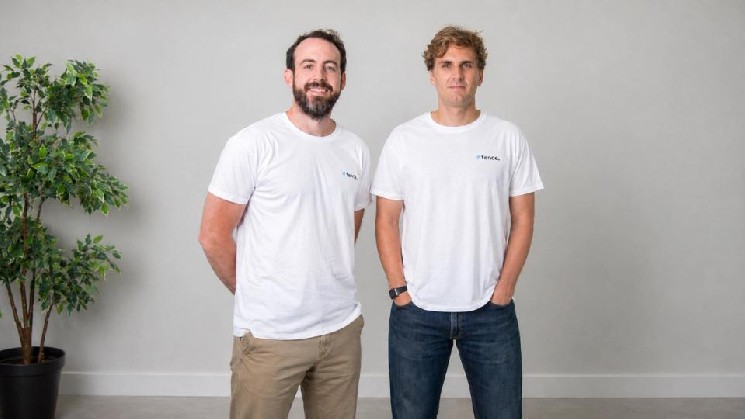
Fence aims to replace those processes with a single system that updates data in real time, Juan Montero, co-founder and CEO of Fence, told CoinDesk in an interview. Lenders can monitor loan performance and cash flows continuously, rather than relying on periodic reports, he explained.
The company says that approach can cut costs for big asset managers. In deals with BBVA, one of Spain's largest banks overseeing $800 billion in assets, Fence reported lower funding costs for borrowers and reduced operational work, while tracking large volumes of loans on an ongoing basis.
Blockchain in the background
Fence is using blockchain less as a front-end product than as back-end plumbing. The company does not pitch banks and asset managers on tokens or crypto wallets. Instead, it uses smart contracts behind the scenes to manage cash, collateral and the rules that govern these deals.
In a typical facility, lenders may wait days for loan data to be checked, reports to be sent and payments to clear, Montero said. Fence pulls that information through APIs, runs checks in software and uses smart contracts to release cash when deal terms are met, he said.
The company can also tokenize lender positions in financing vehicles and, in some cases, the underlying loans or invoices. That can allow investors to transfer positions, borrow against them or receive payments automatically if ownership changes. Still, Montero said tokenization is only used where it adds value.
"We don't want to be seen as a blockchain company. We’re building the infrastructure for the capital markets," Montero said. “Others digitize the paperwork. Fence rebuilt the plumbing."
The company says it now oversees about $1.5 billion in assets across its platform, working with firms including BlackRock and Fortress. It can onboard new deals in weeks, compared with months under standard processes.
The funding will help the company expand in the U.S. and build out its product, Montero said, betting that faster data and fewer manual steps can reshape how credit markets operate behind the scenes.

 cryptonews.net