


 4
4
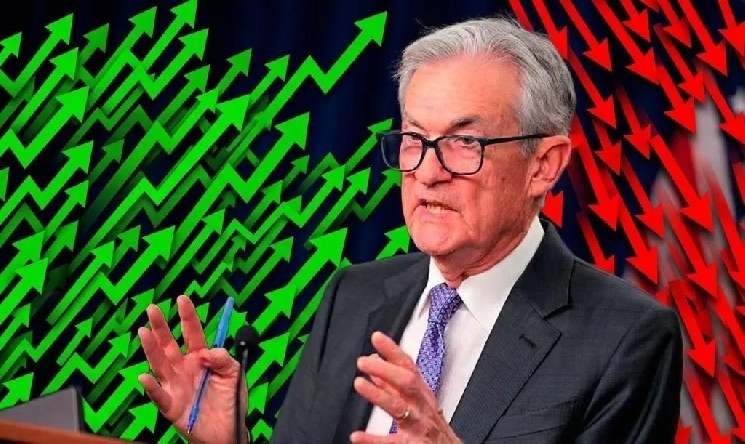
Following the Fed’s decision to keep interest rates unchanged, Chairman Jerome Powell’s statements and updated projections led to differing interpretations in the markets.
Analysts focused particularly on the impact of oil prices on monetary policy, expectations of interest rate cuts, and Powell’s messages regarding his term in office.
Chris Grisanti, Chief Market Strategist at MAI Capital Management, disagreed with the view that rising oil prices would force the Fed to adopt a more hawkish stance. Grisanti argued that the Fed’s statements showed it remained cautious and prudent, and that the negative impact of oil price volatility on economic activity was a greater concern. Therefore, he maintained that the Fed might pursue a looser policy if necessary, rather than a tighter one.
Market pricing regarding interest rate expectations remained largely unchanged after the Fed’s decision. The probability of a total 25 basis point rate cut by April remained at only 2%, while the probability of rates remaining unchanged stood at 96.9%. For June, the probability of a 25 basis point cut dropped to 14.4%, while the expectation of rates remaining at current levels was priced in at 84.4%. This picture indicates that the market does not expect an aggressive policy change from the Fed in the short term.
Powell’s statements at the press conference also attracted attention. The Fed Chairman indicated his intention to continue in his role until the investigations against him are completed, giving the first clear signal that he could complete his term until 2028. Analyst Enda Curran said that Powell rarely comments on legal processes and that this statement was unusual. The fact that Powell publicly expressed this intention, which had previously been mentioned in court documents, partially calmed the recent increase in speculation.
Peter Cardillo, Chief Market Economist at Spartan Capital Securities, painted a more cautious picture. Cardillo stated that under current conditions, interest rate cuts would only be considered in the fourth quarter of the year, drawing particular attention to the trajectory of energy prices. He warned that if oil prices remain high, inflation could rise and economic growth could fall below 1%, increasing the risk of stagflation.
TD Securities US interest rate strategist Molly Brooks said that the market reaction largely depended on Powell’s press conference. According to Brooks, the Fed’s policy statement and economic projections did not contain any major surprises. Although the long-term interest rate expectation was slightly revised upwards, the market’s main focus was on the fact that the median “dot plot” forecasts for 2026, 2027, and 2028 remained unchanged. Uncertainty regarding the short-term impact of developments in the Middle East is also causing investors to remain cautious.
*This is not investment advice.

 coindesk.com
 theblock.co
 cryptobriefing.com