


 3
3
Ethena Labs has put forward a governance proposal to replace the synthetic dollar protocol's static 7-day sUSDe unstaking cooldown with a dynamic model that adjusts based on the composition of $USDe's backing assets.
The proposed framework would introduce cooldown periods of 1, 3, 5, or 7 days, depending on how $USDe's reserves are allocated at any given time.
The timing is notable. Ethena's deployed capital has fallen to just $791 million, a decline of over 85% from its all-time high. The contraction reflects broader risk-off market conditions, with bulls and bears now nearly evenly matched in the derivatives market, an unusual condition that has made the basis trade far less profitable.
That collapse in demand for long leverage is what makes this cooldown proposal viable. The authors note that at the start of 2025, roughly 93% of $USDe's backing was in perpetual futures positions, making the 7-day window a reasonable safeguard. Today, perpetual futures account for just 11% of backing, with 89% now held in liquid stablecoins and lending positions that are currently outperforming funding rates.
$USDe's market cap fell sharply following the October 10 crash, losing over $5 billion as investors rushed to redeem. The episode served as a major stress test, and the protocol's ability to meet redemptions during that period is cited in a Blockworks Advisory analysis on the forum as evidence that the system performs well under pressure.
The proposal also includes safeguards to prevent the shorter cooldown from creating problems during sudden stress events. If daily unstaking requests exceed twice the 14-day rolling average while 3-day coverage simultaneously falls below 1.5x, the cooldown automatically extends by one day.
In short, with the protocol now sitting on a much more liquid reserve base, the argument is that locking users into a week-long wait no longer matches reality.
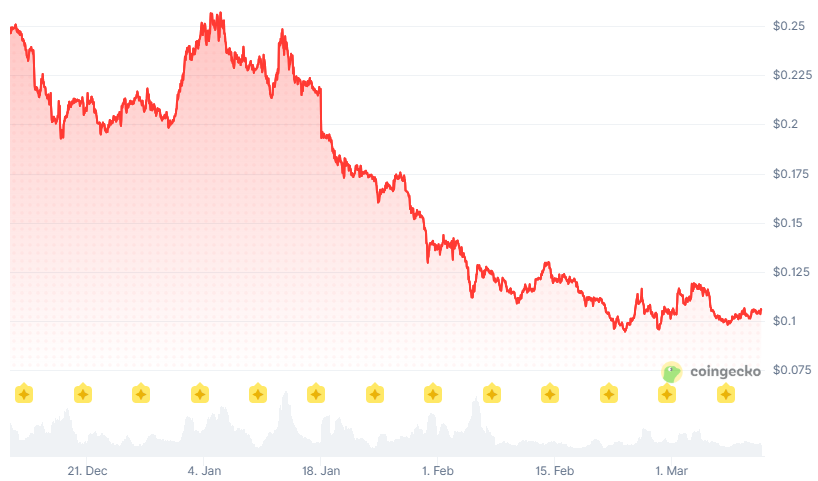
The protocol’s $ENA token was mostly unchanged on the news, trading at around $0.10, or a $900 million market capitalization, according to Coingecko. However, it’s already down more than 50% this year.
This article was written with the assistance of AI workflows. All our stories are curated, edited and fact-checked by a human.

 crypto-economy.com

