



 4
4
Anchorage Digital has partnered with Kamino and Solana Company to roll out a structure that allows institutions to borrow against staked Solana without moving assets out of regulated custody, potentially addressing a key friction between traditional finance and decentralized lending markets.
In a Friday announcement, Anchorage said the initiative expands its Atlas collateral management platform by integrating with Kamino, a Solana-based decentralized lending protocol.
The effort is being carried out in collaboration with Solana Company, a publicly traded Solana ($SOL) treasury created in partnership with Pantera Capital and Summer Capital.
Under the structure, institutions can use natively staked $SOL as collateral for onchain borrowing while the assets remain held at Anchorage Digital Bank, a federally chartered crypto bank. That means investors can continue earning staking rewards while accessing liquidity through Kamino’s lending markets.
Anchorage acts as collateral manager, overseeing loan-to-value ratios, margin requirements and, if necessary, liquidations. Because the collateral remains in segregated custody, institutions do not need to move assets into smart contracts, a requirement that has historically limited participation by regulated entities.
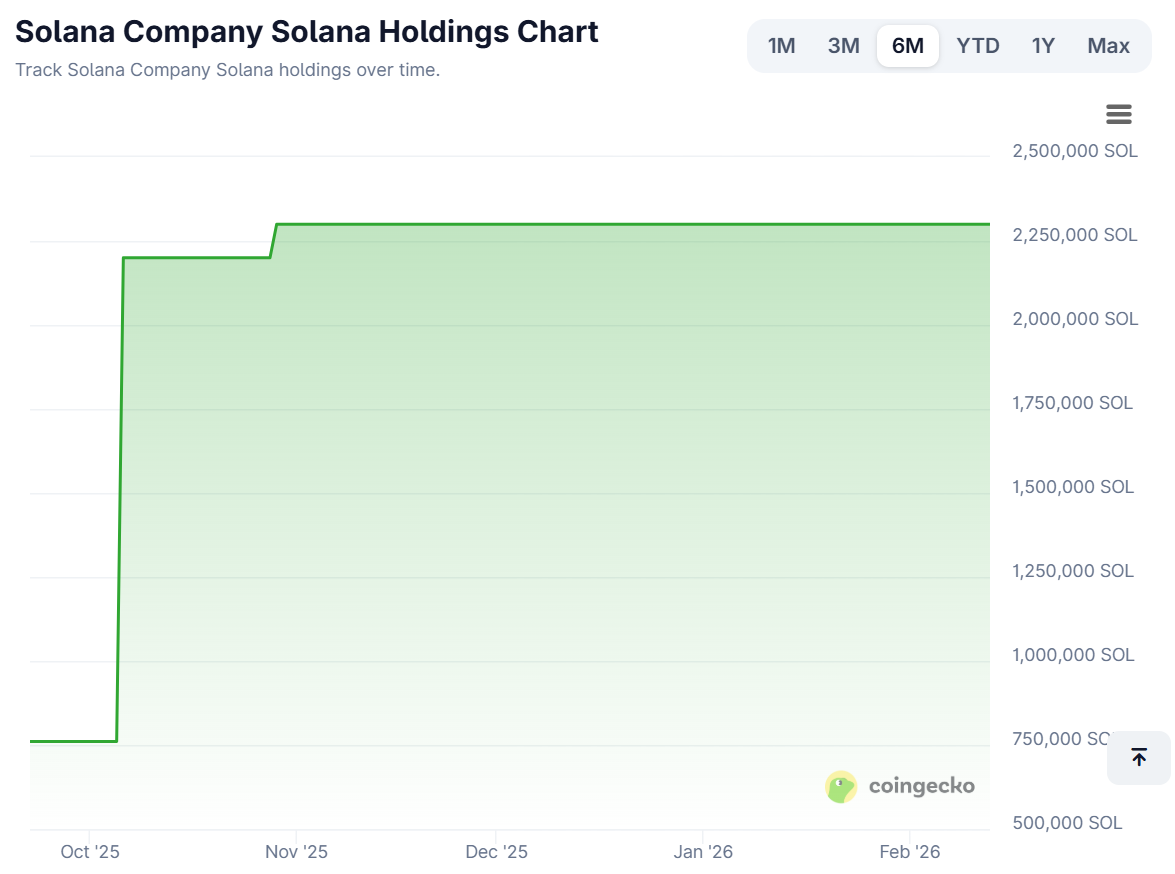
Related: Solana treasuries sitting on over $1.5B in paper $SOL losses
DeFi legislation hangs in the balance
The integration between Anchorage Digital, Kamino and Solana Company underscores growing institutional interest in decentralized finance. However, that momentum is unfolding against an uncertain regulatory backdrop in the United States, where lawmakers are still debating how to oversee digital assets and DeFi platforms.
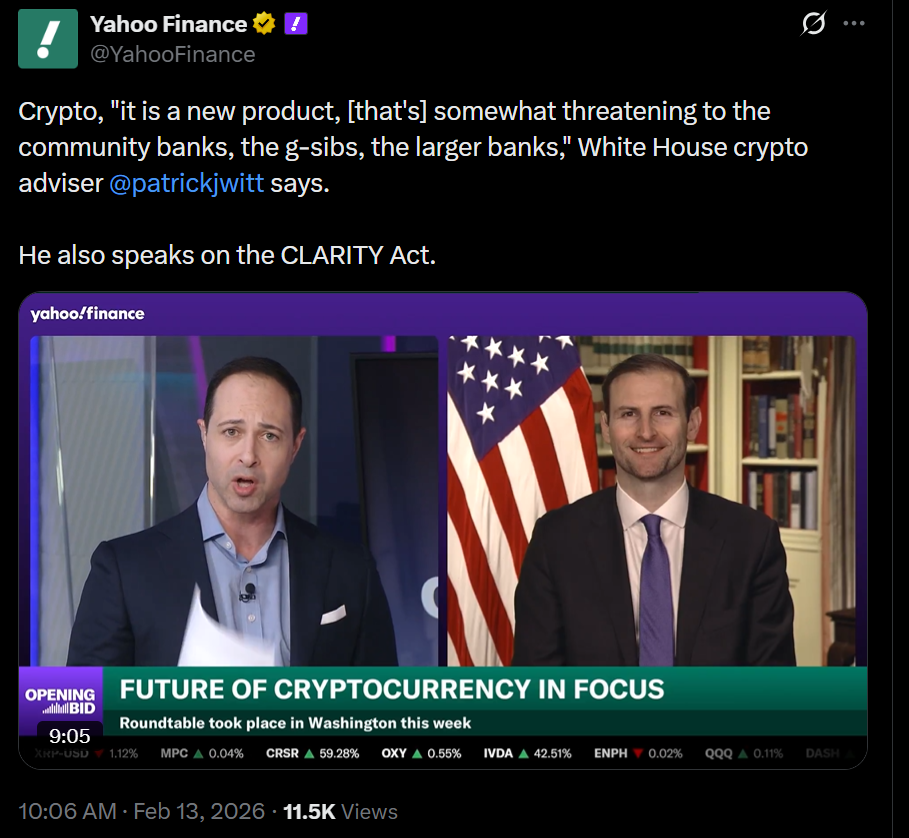
At the center of the debate is the proposed CLARITY Act, which aims to establish clearer jurisdictional boundaries and regulatory standards for digital assets, including DeFi protocols.
While the bill is intended to reduce uncertainty for market participants, some DeFi advocates argue that it falls short of addressing how decentralized protocols, developers and governance structures should be treated under the law.
Industry groups have raised concerns that earlier draft language, including amendments introduced in January, does not sufficiently distinguish between centralized intermediaries and decentralized systems.
Amid the deadlock over the CLARITY Act’s future, the Trump administration convened a meeting with industry representatives earlier this month to break the impasse and gather feedback on outstanding provisions related to DeFi oversight and market structure.
Related: Who gets the yield? CLARITY Act becomes fight over onchain dollars

 coindesk.com

 blockchainreporter.net
 protos.com
