


 11
11
Robinhood Chain, the blockchain network operated by the trading platform Robinhood, has seen its stock-token assets exceed $70 million, according to a report by CoinDesk. The milestone underscores growing adoption of tokenized equities within the decentralized finance ecosystem.
Tokenized Stock Trading Volume Hits $500,000 Daily
Daily trading volume across 12 tokenized stocks on Robinhood Chain has topped $500,000. Five individual tokens have posted more than $1 million in volume each, with GameStop leading at $26.6 million, followed by Nvidia at $14 million, and SpaceX at $6.4 million. Other notable names include AMC Entertainment and Apple, reflecting strong retail interest in tokenized versions of popular equities.
Network Fees and Total Value Locked Show Rapid Growth
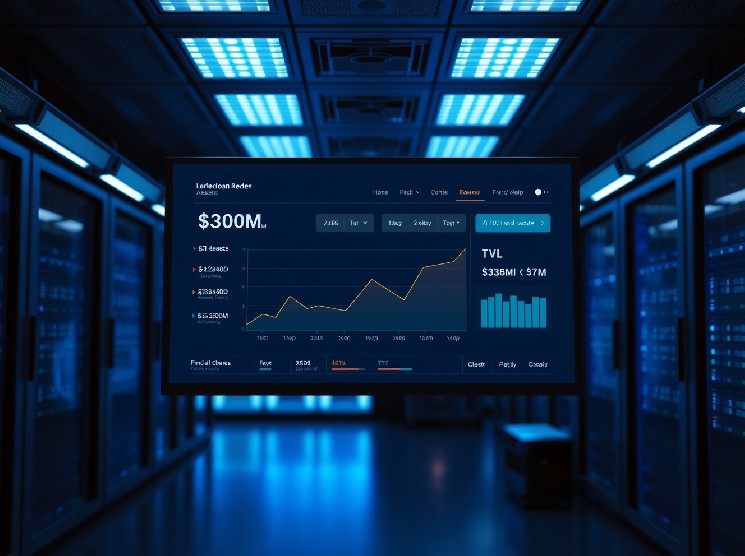
Data from DeFiLlama reveals that Robinhood Chain generated approximately $350,000 in network fees over the past 24 hours, ranking fourth among all blockchains by fee generation. The network’s total value locked (TVL) stands at roughly $315 million, a threefold increase since mid-July. This rapid TVL growth signals increased user confidence and capital inflow into the chain’s decentralized applications.
Why Tokenized Stocks Matter for Retail Investors
Tokenized stocks allow users to trade fractional shares of traditional equities on blockchain rails, offering 24/7 trading, faster settlement, and integration with DeFi protocols. For retail investors, this means greater flexibility and access to markets outside traditional exchange hours. Robinhood Chain’s expansion into this space positions it as a bridge between conventional finance and crypto-native products.
Conclusion
Robinhood Chain’s stock-token assets surpassing $70 million, combined with rising trading volumes and TVL, indicate a maturing product that appeals to both crypto enthusiasts and traditional investors. As regulatory frameworks evolve, the tokenized stock market may continue to grow, with Robinhood Chain playing a central role in its development.
FAQs
Q1: What are tokenized stocks on Robinhood Chain?
Tokenized stocks are blockchain-based representations of traditional equities, allowing users to trade fractional shares 24/7 on the Robinhood Chain network.
Q2: How does Robinhood Chain generate network fees?
Network fees are generated from transactions on the blockchain, including trades of tokenized stocks, swaps, and other DeFi activities. The fees are paid to validators and the network treasury.
Q3: Is Robinhood Chain’s TVL growth sustainable?
While the threefold increase since mid-July is impressive, sustainability depends on continued user adoption, regulatory clarity, and the performance of its DeFi ecosystem. Current data suggests strong momentum.
Related Reading
- Crypto Hacks Surge 35% in H1 2026: $1.32B Lost Across 224 Incidents
- Robinhood Chain Stablecoin Supply Surpasses $400 Million, Marking 340% Growth Since July
- Dango Shuts Down: Trading Halts July 29, User Funds Safe
- Across Protocol Loses $4.5M in Exploit, User Funds Unaffected
- Kinetic Group Plans $11.7M Open Market Purchase of FLUID Tokens to Boost Institutional DeFi

 coinfomania.com
 cryptopolitan.com
 thestreet.com