



 3
3
Martti Malmi, an early Bitcoin developer who worked with Satoshi Nakamoto, has published a new privacy-focused version of Nostr VPN inspired by Tailscale, replacing email addresses and third-party accounts with Nostr public keys.
Malmi said in a Tuesday X post that the new version of Nostr includes a multiplatform interface for managing VPN settings across devices, as well as Nostr-based multihop routing that acts as a fallback system when direct peer-to-peer connections fail.
The new version uses Nostr cryptographic keys instead of email logins or third-party accounts, reducing reliance on centralized services. The project aims to offer a more decentralized alternative to traditional VPN providers that route traffic through company-controlled servers.
VPNs, or virtual private networks, create encrypted connections between devices and the internet to help hide users’ IP addresses and internet traffic.
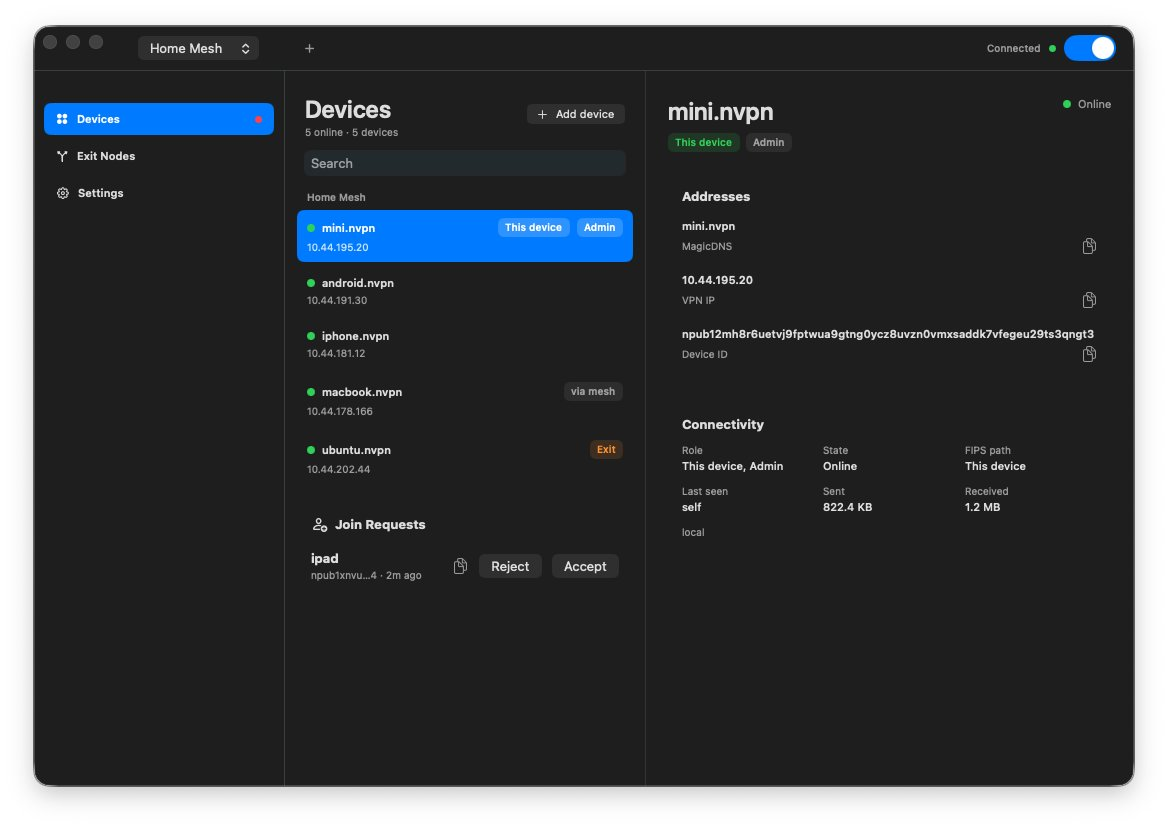
Source: Martti Malmi
Bitcoin advocate Swiss Hodler called decentralized VPNs “freedom technology” that makes online censorship more difficult as it helps remove more infrastructure from “centralized control.”
Malmi, also known as “Sirius,” is a Finnish computer scientist and developer who was known as one of Nakamoto’s first major collaborators between 2009 and 2011. Malmi helped design Bitcoin’s first graphical user interface, co-managed Bitcoin.org and co-founded the Bitcoin Forum, later rebranded as Bitcointalk.
Related: Capital B boosts Bitcoin reserves with $15.2M purchase
Internet users seek privacy-focused VPN solutions
Developers have been building more decentralized VPNs to answer the growing user demand for privacy-focused solutions.
ZeroTier launched in 2013 as one of the first privacy-focused VPN solutions that were built on a private mesh network. By 2024, ZeroTier said it had garnered over 3 million connected devices across 5,000 paid accounts and 600,000 network administrations.
In 2017, a community of open-source developers launched Yggdrasil, a decentralized mesh network that functions similarly to a VPN by connecting devices through end-to-end encryption without relying on centralized servers.
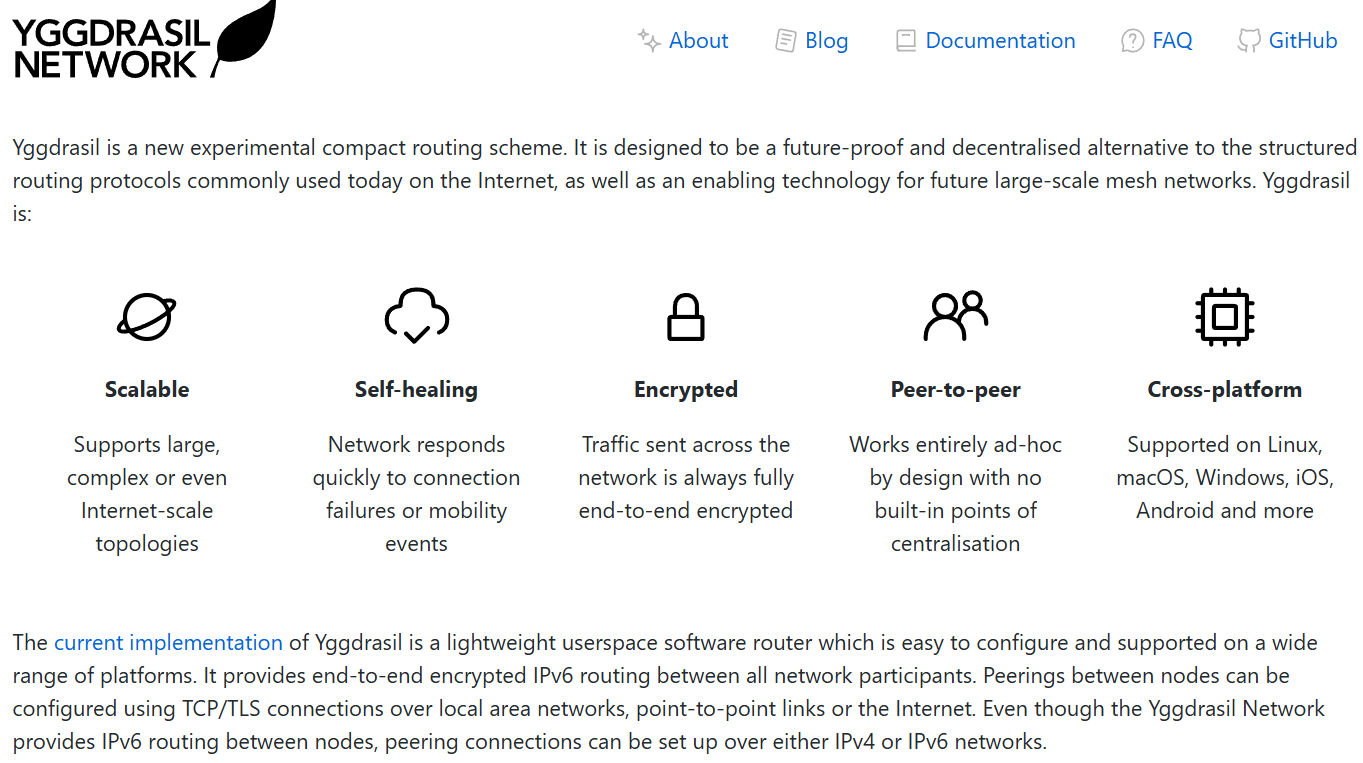
Yggdrasil network architecture. Source: Github
In November 2019, Slack’s engineering team introduced Nebula, an open-source mesh VPN and overlay networking tool designed to securely connect computers and servers across different networks and locations.
Unlike traditional VPNs that route all traffic through a central server, Nebula creates a direct, peer-to-peer, encrypted tunnel between the two endpoints.
Magazine: Adam Back says current demand is ‘almost’ enough to send Bitcoin to $1M

 bitcoinworld.co.in
 blockchainreporter.net