

 1
1
 6
6
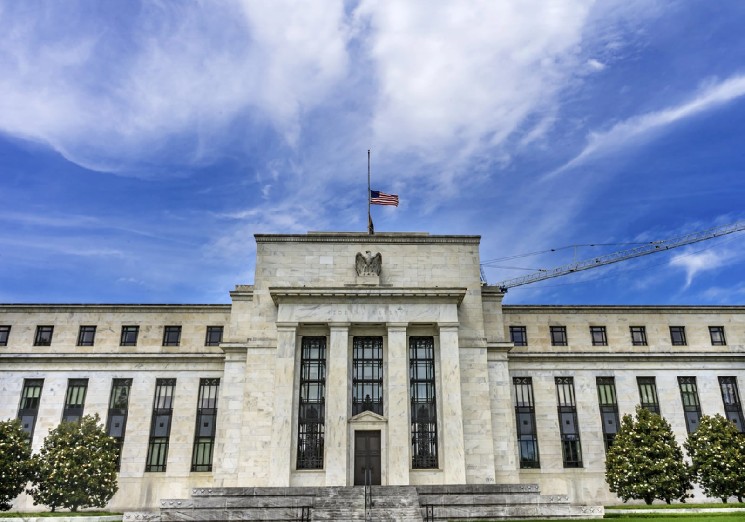
The Federal Reserve is currently reviewing proposals to revise its capital rules and Basel risk weighting standards for the nation's largest banking organizations.
This, of course, is a major opportunity for the cryptocurrency industry to win more legitimacy.
Under current guidelines, BTC is effectively treated as a "toxic asset," slapped with punitive capital requirements that make it nearly impossible for traditional banks to hold it on their balance sheets.
Now, advocacy groups like the Bitcoin Policy Institute (BPI) are making an effort to change the narrative.
The 1250% risk weight
Basel III standard is a global regulatory framework designed to ensure that banks maintain enough capital reserves to absorb financial shocks.
It does this by assigning a "risk weight" to different classes of assets.
The current Basel framework assigns unbacked crypto assets a staggering 1,250% risk weight. For comparison, gold and AAA sovereign debt has 0% risk weight. Speculative unlisted stocks have a 400% risk weight.
In layman's terms, a 1250% risk weight is a de facto ban. It forces a bank to hold capital reserves equal to the total exposure value of the Bitcoin they hold. If a bank wants to hold $100 million in Bitcoin, it must hold a prohibitive amount of fiat capital in reserve against it.
Ensuring a level playing field
Representatives from the Bitcoin Policy Institute are attending the meetings to advocate for a fairer framework.
Conner Brown of the BPI has noted that a change in the guidance "would be a big win for American Bitcoiners." When asked by a community member what the new standards should theoretically look like, Brown pointed to coin's fundamental properties as justification for a dramatic reduction in its risk weight.
"At a high level, we think the Fed should bring Bitcoin in line with other like assets," Brown explained.
The asset offers transparency, deep liquidity, always-on markets, and zero counterparty risk.

 bitcoinmagazine.com
 en.bitcoinsistemi.com

 coinfomania.com