


 3
3
Global markets are experiencing volatile movements amid rising geopolitical tensions and economic uncertainties, while Bitcoin climbed back above the $69,000 level with its weekend activity.
Experts who came together on the channel “The Wolf Of All Streets” discussed whether this rise is permanent and where macroeconomic risks might take the cryptocurrency market.
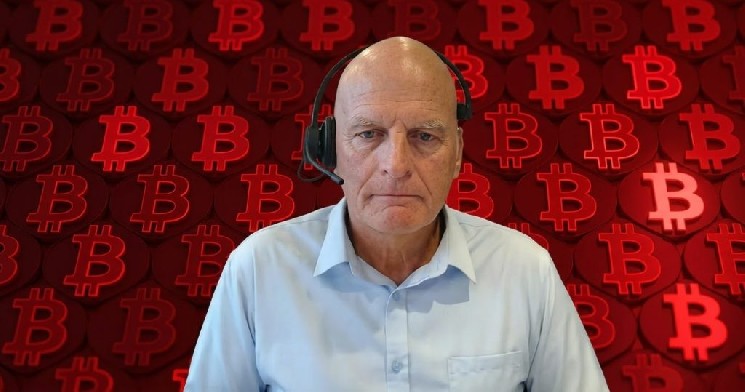
Bloomberg Senior Commodities Strategist Mike McGlone painted a rather pessimistic picture, contrary to the general optimism in the market. McGlone stated that one of the biggest bubbles in stock market history is underway and that he expects a correction of around 50-70% in the S&P 500. He argued that, in parallel with this potential stock market crash, Bitcoin could fall to the $10,000 level.
He stated that, unlike the high volatility in commodities such as oil and gold, the stock market was exhibiting artificially low volatility, which would result in a sharp pullback.
Former CoinRoutes CEO Dave Weisberger strongly opposed McGlone’s $10,000 prediction, arguing that the figure was “clickbait.” Weisberger pointed out that Bitcoin rebounded from $16,000 even during the major bankruptcies of 2022 (FTX, Celsius, etc.), stating that $10,000 is unrealistic given the current money supply and institutional adoption.
He said that Bitcoin could only fall to these levels if people believed the system would completely collapse (for example, in extreme scenarios like the threat of quantum computers), and that current market dynamics do not support this.
He argued that governments constantly printing money would keep asset prices nominally high, making an inflationary cycle more likely than a deflationary collapse.
CIO and Macro Strategist James Lavish stated that markets have become “numb” to political developments such as Trump’s statements. Lavish argued that the market is focused on data and that geopolitical risks are largely priced in. He added that in the event of a potential collapse, central banks would again print massive amounts of money to rescue the system, and this liquidity would protect asset prices (including Bitcoin).
*This is not investment advice.

 newsbtc.com
 1
1
 news.bitcoin.com
 cryptonewsz.com