

 1
1
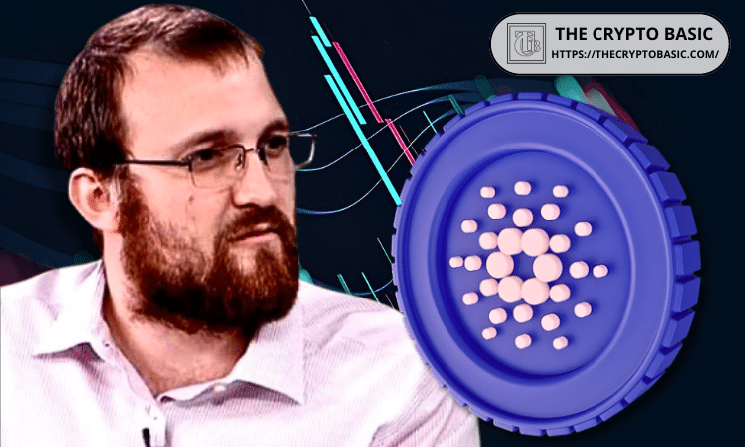
Charles Hoskinson reassures the $ADA community following the security incident involving SecondFi, emphasizing that the breach did not compromise the Cardano blockchain itself.
His comments came as concerns spread throughout the Cardano ecosystem after reports revealed that attackers exploited vulnerabilities connected to SecondFi wallets, resulting in significant losses for affected users.
Hoskinson: Cardano Core Infrastructure Remains Secure
According to Hoskinson, there is no evidence that the incident affected any component of Cardano’s underlying technology stack. He stressed that the network’s protocol, cryptographic foundations, node infrastructure, and open-source wallet implementations continue to function as intended.
Consequently, he classified the incident as an application-level security failure rather than a failure of the blockchain itself. His commentary sought to calm fears that the breach could threaten ordinary $ADA holders who do not use SecondFi.
Update https://t.co/23F2M0YrUp
— Charles Hoskinson (@IOHK_Charles) June 24, 2026
“Cardano Was Not Hacked”
Further, he rejected claims that the blockchain itself was compromised, stressing that “Cardano was not hacked.” According to him, describing the incident as a “Cardano hack” creates the false impression that the blockchain’s core infrastructure failed.
Interestingly, he compared the situation to a vulnerable third-party application running on an operating system. Using an analogy involving Microsoft and its Windows platform, Hoskinson argued that users do not blame Windows whenever an external application contains bugs or security flaws.
Similarly, he maintained that vulnerabilities in an individual wallet or financial application should not be interpreted as weaknesses in Cardano’s protocol. He also reiterated that users’ funds across the broader Cardano ecosystem remain secure.
SecondFi Confirms Attack Originated at Address and Signing Layer
Hoskinson’s reassurance followed reports of a large-scale exploit suffered by SecondFi (formerly Yoroi Wallet), a neo-finance application owned by EMURGO, one of Cardano’s founding entities.
Following the incident, SecondFi disclosed that the breach occurred at the address and transaction-signing level, allowing malicious actors to initiate unauthorized transactions.
According to the company, four separate wallet-draining incidents occurred earlier this week. Three of those attacks were linked to external threat actors and resulted in the theft of approximately 16 million $ADA from 374 wallets.
Meanwhile, the company revealed that it secured an additional 129 million $ADA by transferring the assets to a third-party custodian as an emergency precaution.
SecondFi Deploys Patch and Begins Recovery Process
In response to the incident, SecondFi announced that it has already deployed a security patch and engaged an external auditor to verify customer holdings. The company also confirmed that it is developing a claims process for affected users to facilitate compensation and recovery efforts.
Notably, SecondFi warned users not to restore their recovery phrases into other wallets. It added that doing so could disrupt or complicate the claims process for affected funds.

 crypto.news
 1
1


