


 16
16
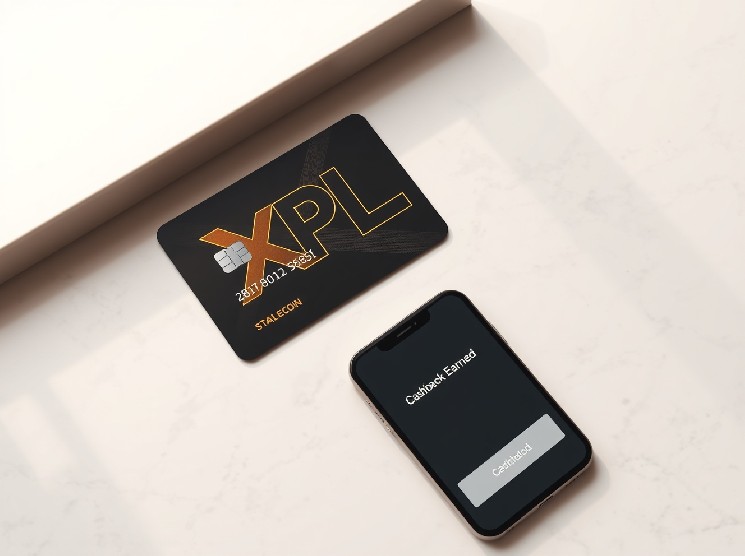
Plasma ($XPL) has officially teased the launch of a new stablecoin-related product, scheduled for June 2025. The project announced this development on X, releasing a video that showcases an application integrating stablecoin payments, a dedicated card, and a cashback rewards system. This move signals a significant step for Plasma as it expands beyond its existing decentralized finance (DeFi) infrastructure.
Plasma Stablecoin Product: What the Teaser Reveals
The short video released by Plasma demonstrates a user-friendly interface. It highlights three core features: seamless stablecoin payments, a physical or virtual card, and automatic cashback on transactions. This product aims to bridge the gap between cryptocurrency and everyday spending. By offering a card linked to stablecoins, Plasma targets users who want to use digital dollars for real-world purchases without converting to fiat currency. The cashback feature adds an incentive, potentially driving adoption among both crypto natives and newcomers.
Key Features of the Plasma Stablecoin Ecosystem
- Stablecoin Payments: Users can make direct payments using stablecoins like $USDC or $DAI.
- Plasma Card: A physical or virtual card for point-of-sale and online transactions.
- Cashback Rewards: A percentage of spending is returned in $XPL tokens or stablecoins.
- Mobile Application: A dedicated app for managing balances, transactions, and rewards.
This combination positions Plasma to compete with existing crypto debit cards from platforms like Crypto.com and Coinbase. However, Plasma’s focus on stablecoins offers a unique value proposition. Stablecoins provide price stability, making them ideal for daily spending. The cashback mechanism further incentivizes users to hold and use $XPL tokens.
Background: Plasma ($XPL) and Its Journey
Plasma is a blockchain project focused on scalability and interoperability. It originally gained attention for its layer-2 scaling solutions. The $XPL token powers the network, used for transaction fees, staking, and governance. Over the past year, Plasma has expanded its ecosystem, partnering with several DeFi protocols. The stablecoin product represents a pivot toward mainstream adoption. By targeting payments, Plasma aims to capture a share of the growing stablecoin market, which currently exceeds $150 billion in total supply.
Timeline of Plasma’s Development
| Date | Event |
|---|---|
| Q1 2024 | Launch of Plasma mainnet with layer-2 scaling |
| Q3 2024 | Integration with major DeFi protocols |
| Q1 2025 | Teaser of stablecoin product on X |
| June 2025 | Scheduled launch of stablecoin payments card |
This timeline shows a clear strategy. Plasma first built its technical foundation. Then it expanded its ecosystem. Now it is moving toward user-facing applications. The stablecoin product is the culmination of these efforts.
Impact on the Stablecoin and Crypto Payments Market
The introduction of a Plasma stablecoin product could reshape the crypto payments landscape. Currently, most crypto debit cards require users to sell crypto for fiat at the point of sale. This process incurs fees and tax implications. A stablecoin-based card avoids these issues. Transactions remain within the crypto ecosystem. This reduces friction and costs. Additionally, the cashback feature could attract users who are looking for passive income from their spending.
Comparing Plasma’s Product with Competitors
- Crypto.com Visa Card: Requires staking CRO for higher cashback tiers. Supports multiple cryptocurrencies but not exclusively stablecoins.
- Coinbase Card: Supports $USDC and other cryptos. Cashback in XLM or other tokens. No native token staking requirement.
- Plasma Card: Focuses exclusively on stablecoins. Cashback in $XPL or stablecoins. Potentially lower fees due to layer-2 infrastructure.
Plasma’s unique selling point is its focus on stablecoins and its own layer-2 network. This could enable faster and cheaper transactions compared to competitors. The cashback in $XPL also creates a use case for the token, potentially driving demand.
Expert Analysis and Market Reactions
Industry analysts have responded positively to the teaser. Many see it as a logical step for Plasma. The stablecoin market is growing rapidly, with increasing adoption in remittances, e-commerce, and DeFi. A dedicated payments product could capture a portion of this growth. However, challenges remain. Regulatory scrutiny of stablecoins is increasing globally. Plasma must ensure compliance with local laws. The project has not yet disclosed which stablecoins it will support or which jurisdictions it will target.
Potential Challenges and Risks
- Regulatory Compliance: Stablecoin regulations vary by country. Plasma must navigate these complexities.
- User Adoption: Competing with established players requires strong marketing and user experience.
- Security: Any card or payment system must have robust security measures to prevent fraud.
- Token Volatility: Cashback in $XPL could be less attractive if the token price fluctuates significantly.
Despite these challenges, the market opportunity is substantial. Global stablecoin transaction volume reached $10 trillion in 2024. A user-friendly card could tap into this flow.
What This Means for $XPL Token Holders
For current $XPL holders, the stablecoin product introduces new utility. The cashback mechanism requires users to hold or receive $XPL tokens. This could increase demand and reduce circulating supply. Additionally, the card may encourage long-term holding. Users who want to maximize cashback might stake $XPL for higher rewards. This mirrors models used by Crypto.com and others. The success of the product will likely influence $XPL’s market performance.
Tokenomics and Staking Incentives
Plasma has not yet released full details on staking requirements. However, based on industry norms, users may need to stake $XPL to unlock higher cashback tiers. This creates a deflationary pressure on the token. If adoption grows, the token supply could decrease, potentially supporting price appreciation. The project should provide clear information on these mechanics before the June launch.
Conclusion
Plasma’s teaser of a stablecoin product for June 2025 marks a pivotal moment for the project. By integrating stablecoin payments, a dedicated card, and cashback rewards, Plasma aims to bridge the gap between DeFi and everyday finance. The product has the potential to attract both crypto enthusiasts and mainstream users. However, success will depend on execution, regulatory compliance, and user adoption. The $XPL community and the broader crypto market will be watching closely as June approaches. This Plasma stablecoin product launch could redefine how people use digital currencies for daily transactions.
FAQs
Q1: What is the Plasma stablecoin product?
The Plasma stablecoin product is a new offering scheduled for launch in June 2025. It includes stablecoin payments, a physical or virtual card, and a cashback rewards system. The product aims to make it easy to spend stablecoins in everyday transactions.
Q2: When will the Plasma stablecoin card be available?
Plasma has announced that the stablecoin product will launch in June 2025. Specific dates have not been released. The project will likely provide more details closer to the launch.
Q3: Which stablecoins will the Plasma card support?
Plasma has not yet disclosed which stablecoins it will support. Common options include $USDC, $DAI, and USDT. The project may announce supported stablecoins before the June launch.
Q4: How does the cashback feature work?
The cashback feature returns a percentage of each transaction to the user. Cashback may be paid in $XPL tokens or stablecoins. Higher cashback rates may require staking $XPL tokens. Full details are expected closer to launch.
Q5: Is the Plasma card available globally?
Availability will depend on regulatory approvals. Plasma has not specified which countries will be supported. Users should check for regional restrictions at launch.

 en.bitcoinsistemi.com

 coinfomania.com
 u.today
 coinpedia.org